Note: This concludes my 2025 coverage. If you haven’t, be sure to check out my lists of top songs, top albums, and top episodes of the year.
It’s a shame that I’m tardy to get these out, because TV in 2025 was ridiculous. I thought of expanding the list beyond twenty but decided making more work for myself wasn’t the way forward, so just know that things that would be worthy of the top twenty, top ten, top five in any other year are numerically under-praised. So please do not yell at me about so-and-so’s placement! Believe me, I know.
All right, just know that if you end up watching anything off my recommendation, you owe me a reaction.
20. Long Story Short season 1 10 episodes stream: Netflix
After BoJack Horseman, creator Raphael Bob-Waksberg and production designer Lisa Hanawalt each made follow-ups (Undone and Tuca & Bertie, respectively), and now finally reunite with Long Story Short, a more traditional animated sitcom about an upper-middle class Jewish family that goes back and forth in time episode by episode. If Long Story Short has a fault, it’s that the BoJack comparison – composer Jesse Novak also returns, making the aesthetic similarity even harder to miss – sometimes threatens to crush this far less ambitious show.
But it’s actually a breath of fresh air that Long Story Short is so much lighter, finally giving us a Bob-Waksberg show that will let you breathe (not a lot of people saw Undone, but it’s somehow way more intense than BoJack). Finally you can appreciate Bob-Waksberg going slightly too far with a pun without the specter of physical assault hanging about. But while this variant on the BoJack style is what will get people in the door, Long Story Short is especially memorable because it unyieldingly revels in the Schwoopers’ Judaism, from how that culturally shapes the parents and therefore the siblings to how these characters grapple and reel from major life events.
19. Mussolini: Son of the Century limited series 8 episodes stream: MUBI
Be forewarned, Mussolini: Son of the Century doesn’t touch on World War II, not even close, and it seems unlikely that they’ll continue the series. Focusing instead on Mussolini’s rise to power from 1919 to the start of 1925, Mussolini is so much for the sickos that they’ve even relegated it to MUBI. This might be just as well. Given that it’s arty, dramatic, and cinematic in a way that made it appropriate to premier at the Venice Film Festival, Mussolini might be a challenge to an American viewer, not just for being in Italian but for trudging through historical moments many of us aren’t as familiar with.
But Mussolini is well-timed. It recalls the rise of fascism back when the word referred to a nebulous anti-socialist third way politics. It painstakingly show that Mussolini didn’t rise out of a coherent ideology but through gangsterism, his men fighting random socialists in the streets and every step in his rise to further power coming from dismantling the checks and norms Italy had in place, always supposedly in the name of enacting what the Italian people had entrusted him to do. But more than just a history lesson, Mussolini adapts history boldly and creatively, with Luca Marinelli absolutely killing it as Il Duce. And Joe Wright’s direction makes the project fascinatingly disorienting, especially when Marinelli is giving alarming monologues to the audience, revealing that Mussolini is a self-obsessed weirdo who is so dangerous in part because he truly believes in nothing beyond his own image and power.
Good thing it can’t happen here.
18. Fujimoto 17-26 limited series 8 episodes stream: Prime Video
What a couple of years for Tatsuki Fujimoto. Last year, his masterpiece one-shot manga Look Back was adapted into a beautiful feature film (seriously go watch it if you haven’t, it’s just an hour). This year, his series Chainsaw Man continued its anime adaptation with Chainsaw Man – The Movie: Reze Arc, and its blockbuster numbers enshrined Chainsaw Man as not just one of the most well-regarded shōnen in recent years but also one of the most absolutely popular alongside Demon Slayer and Jujutsu Kaisen. And all this has led to so much hype around Fujimoto as an artist and storyteller that his earlier one-shot manga stories, already collected as Tatsuki Fujimoto Before Chainsaw Man, have received a full anime adaptation.
The eight stories, all written by Fujimoto between the ages of, you guessed it, seventeen and twenty-six, are about as wild and all-over-the-place as you might expect from the author of Chainsaw Man. In the first and maybe finest, human-eating aliens have taken over Earth, and when one discovers that two humans are in the schoolyard disguised as chickens, he instead resolves to help them out of their predicament. In th next, when someone storms into a classroom with a gun intending to harm the teacher, only one student with unrestrained feelings for his teacher can save the day. In another, a vampire bored of eternal life hires a young woman, the world’s greatest assassin, to try to finally kill him. In another, a young boy contracts Woke-Up-as-a-Girl Syndrome and wakes up as a girl. And so on and so forth. Fujimoto 17-26 looks awesome, and it’s just a joy to see such a wild creative mind bouncing ideas around in his salad days.
17. Common Side Effects season 1 10 episodes stream: HBO Max
In Common Side Effects, fungi expert Marshall Cuso runs into high school classmate Frances Applewhite, and he tells her that he’s found a mushroom that can cure anything. But telling the world becomes precarious when the pharmaceutical companies and various branches of the US Government try to put a stop to them for fear of the havoc it could wreak on the economy. The animation is unique and does wonders for some of the druggier sequences, and the affair is injected with a welcome but noninvasive level of comedy, with Mike Judge doing a particularly great turn as Frances’ pharma exec boss.
Common Side Effects quickly turns into a thriller and might not chew on the real world relevance of its themes as much as you’d want. Less than two weeks after it premiered, the US got a new Secretary of Health and Human Services, and suddenly Common Side Effects interacted oddly with the new need to defend prevailing medical consensus. But I think it’s clear that Common Side Effects isn’t promoting conspiratorial thinking about medicine so much as expressing fear about what the financial incentives of pharmaceutical giants might produce. Or might not produce.
16. Adults season 1 8 episodes stream: Hulu
Some comedy shows are great because they’re visionary. A lot of comedy shows rely on the bonus multiplier of being about the entertainment world they themselves inhabit. But sometimes there’s nothing particularly innovative, no driving romantic subplot, no juicy hook. Sometimes a show is just really fucking funny. Adults is about five twentysomethings living in one of their parents’ Brooklyn house, and though it’s largely about these young adults struggling to adjust to grown-up tasks and living, it’s not sentimental about it and doesn’t harp on Redditor-ass concepts like “adulting.” In any year, all fresh college grads are dumb babies who are completely insane, but the way those traits manifest varies wildly every half-decade. Adults is a worthy chronicle for our times.
15. The Righteous Gemstones season 4 9 episodes stream: HBO Max
For four seasons, the titular family’s demented tackiness has carved out its very special place on the television landscape, giving us the freak chimera that results from Danny McBride imbuing his ramshackle comedy with any kind of prestige approach. The Righteous Gemstones‘ final season really goes for it, premiering with a Civil War-era Gemstone family origin story that doesn’t really go for laughs.
But then it gets back to it. Judy grows resentful of BJ’s capuchin monkey service animal. Kelvin vies to win something called Top Christ Following Man of the Year. In a joke I will remember for the rest of my life, Uncle Baby Billy produces and directs a teen show about a young Jesus Christ called Teenjus (correct, not Teensus, but Teenjus). But the emotional center of this final season is the kids struggling to accept that their daddy wants to fill the absence that defines and looms over the entire series. Now so in touch with its characters, The Righteous Gemstones now gets so deep into the psyches of the three siblings that you might call this Neon Genesis Evangelicism.
14. Smiling Friends season 3 8 episodes stream: HBO Max
Whats left to say about Smiling Friends? Adult Swim’s reigning champion hasn’t slowed down, continuing to uplift creatives who have been toiling away on the internet doing animation and voicework for decades, continuing to rock animation that despite its natural state of simplicity demonstrates an impressive and creative love for the medium, and continuing to put forward an aggressive and transgressive brand of discombobulating mayhem. The third season felt more humble and straightforward than the second – nothing blew the pants off me like “Charlie, Pim, and Bill vs the Alien” or “The Magical Red Jewel (aka Tyler Gets Fired)” – but in another way it’s gotten more formally experimental, its episodes focusing on Mr. Frog and Glep being so unlike what the show has ever done. You could feel Rick And Morty curdling during its third season, but while the hype for Smiling Friends has hit a fever pitch, I don’t think it’s the sort of thing we’re going to get tired of.
13. CITY: THE ANIMATION season 1 13 episodes stream: Prime Video
Some anime studios do astonishing things, but Kyoto Animation is unparalleled in the space it’s carved out for itself, usually dealing with relatively light material and adapting it in an unflashy but incredibly precise manner, maximizing the execution of series like Sound! Euphonium, K-On!, or The Melancholy of Haruhi Suzumiya. Here, Violet Evergarden series director Taichi Ishidate leads this adaptation of mangaka Keeichi Arawa’s follow-up to his legendary comedy Nichijou. And this is all probably why CITY: THE ANIMATION is bewilderingly wonderful to look at.
CITY largely focuses on three university sophomore girls and their comedic travails in the city of City, but the show really gets its aesthetic pop from zooming around town to focus on an impressively large cast. CITY uses bright colors, thick lines, and wonderfully show-offy shot composition to really make it feel like a manga come to life, occasionally even utilizing mixed media or getting truly stupendously conceptual with how it frames its ongoing action. It is also very funny! You will especially have a great time with a certain sequence about instant ramen. I laughed a fair bit at CITY, but sometimes I was too distracted by its awesome visual perfection.
12. Task season 1 7 episodes stream: HBO Max
I absolutely adored Craig Zobel’s Mare of Easttown, so I was thrilled to see another show from him. A surprising amount is the same. In Mare, Kate Winslet is still grappling with the devastation her family has felt after the loss of her son while she gets to the bottom of a local tragedy. Here, Mark Ruffalo is still grappling with the devastation his family has felt after the loss of not just his son (this son is still alive, but he’s in prison) but also his wife when he has to assemble the titular FBI task force to get to the bottom of a series of local armed robberies of drug houses.
But where Mare filters the action and information exclusively through Mare, Task gives us all three sides all the time: Ruffalo’s FBI task force, the man committing the robberies and his family, and the gang running the drugs. Zobel keeps these groups smashing into each other. Even in a banner year for the prestige drama, nothing kept the blood pumping quite like Task, which refused to ever stop exploding.
11. Haha, You Clowns season 1 10 episodes stream: HBO Max
Some say that Haha, You Clowns is a wholesome tonic to the cynical and irony-poisoned Adult Swim entries that have dominated in the last decade. No way, man. There is something very, very wrong here. Brothers Tristan, Preston, and Duncan (I am not totally sure how old they are supposed to be) are purehearted, simple boys who love each other and their widowed father Tom. That is all great. He raised those boys right!
But you’ll notice that the boys cannot stop saying clichéd lines, as if for a laugh track that never obliges. Indeed, Haha, You Clowns is a sort of parody of wholesome sitcoms like Home Improvement or Full House, where in the end a lesson is learned and the family is reaffirmed in their love for one another. And that usually happens here, too. But in the meantime, something or someone with the most off energy you ever did see enters the picture and Haha, You Clowns turns into a social horror. The humor behind the show’s funniest moments can end up almost too abstract to explain. Sometimes it is just about the implications of the tone that episode has wound up inhabiting. The animation – get over it, you baby! – does little to comfort us. I looked forward to Smiling Friends a bit more each week, but Haha, You Clowns was doing something truly new and exciting.
10. The Chair Company season 1 8 episodes stream: HBO Max
Having taken his talents to the world of film (Friendship was pretty good!), Tim Robinson has now inflicted His Whole Thing on prestige television. Middle-aged Ron Trosper, a property manager overseeing the construction of a local mall, is humiliated when his chair breaks beneath him in front of all of his coworkers. When he starts looking into the chairs to cope with his shame, he falls into a mystery that tickles his brain just right, and it both keeps him going and threatens to ruin his entire life.
9. The Studio season 1 x episodes stream: Apple TV+
The Studio is the first TV comedy in a while that actually feels different. Its music is entirely anxiety-raising percussion, and each scene is presented as one single, unbroken shot, the camera often traversing a great distance to stay with the characters and whirling around during conversations in lieu of the ability to truly do shot/reverse shot. This all serves to raise your blood pressure even further when Seth Rogen’s character makes you want to hit yourself with a hammer. Rogen plays major studio head Matt Remick, who strives to be different than other studio heads because he really likes movies. But Remick’s affection for his industry inevitably makes him more destructive and not less, with him often failing to recognize when his presence is unwanted and when his desire for love and recognition is causing everyone to despise him. To assist the illusion of movie magic, many Hollywood figures play themselves, like Martin Scorsese (he’s dying to direct a movie about Jonestown), Ron Howard (everyone is afraid to tell him about the awful extended scene ruining his otherwise perfect movie), or Ice Cube (everyone is trying to figure out if it’s racist to cast a Black man as the Kool-Aid Man). It’s not rare for an elite TV comedy to be about the entertainment industry, but The Studio puts its own spin on a well-worn subject.
8. Andor season 2 12 episodes stream: Disney+
Though Andor‘s second season contracts the years between its first season and Rogue One, it’s structurally very similar. Just like its first season, it neatly divides into four mini-arcs that all have awesome, hopeful climaxes. This is mostly just the same trick again, but there’s no problem with that given that Andor already so successfully explored what rebellion means and looks like in a way Star Wars somehow hadn’t before. Andor was already the best Star Wars material since probably Empire.
It’s no small feat, but episodes seven to nine do rival the incredible prison arc from the first season. I do have a couple of quibbles (I’m really not so sure about where the story leaves Cinta or Bix), but Andor very successfully makes the jump from personal and local stories of resistance to genuine revolutionary flashpoints on a galactic scale. Andor‘s biggest challenge has always been to make resistance emotional without being embarrassing (a common failure of, ahem, hopepunk), but Andor‘s deft dialogue and strong character work make it hard to be embarrassed about the era of the Star Wars story when the Empire is so lazily and callously applying great force onto the regions that happen to be irritating it that day.
Good thing it can’t happen here.
7. Heated Rivalry season 1 6 episodes stream: HBO Max
It is certainly enough to be an incredibly steamy gay romance series with incredibly high production value, and for its first two episodes, Heated Rivalry does the hell out of that. But Heated Rivalry insists on great heights for its final four episodes, changing gears by taking a break from Ilya and Shane with a bold, episode-length aside about Scott’s burgeoning secret romance with smoothie barista Kip. I’ll admit to a perverse sort of enjoyment in imagining that the most conservative playerbase in America’s big four sports leagues features not one, not two, but three gay stars.
Thereafter, we see Ilya and Shane’s hot and cold romance shift into overdrive with more massive highs and more crushing lows as they more fully realize how much they mean to each other and start to hurt each other while they run from that fact. And when they finally acknowledge the future they want but think they can’t have, Heated Rivalry zooms out. It’s not just the romance, the sex, or the frotting, but the shifting sands beneath Ilya and Shane’s feet that has turned Heated Rivalry into something of a phenomenon and a major landmark in queer popular media.
6. PLUR1BUS season 1 9 episodes stream: Apple TV+
On the off-chance that you still don’t know what Pluribus is about, I’ll refrain from spoiling the events of its pilot by telling you the premise. After all, Apple TV’s marketing went to great pains to conceal what the hell this show was gonna be. And that’s because the premise is just absolutely dynamite. Here, Gilligan has an absolutely killer sci-fi idea, and he is hell-bent on delivering Rhea Seehorn her long-deserved Emmy Award by having her inhabit a sad lesbian who is just normal enough but just unhinged enough to be both properly relatable and frustrating as we see her navigate the suddenly-quite-lonely American Southwest.
Just like in Breaking Bad and Better Call Saul, Gilligan thrives in montage and, well, just showing you a character silently performing some chore. And Pluribus is ripe for a whole lot of that. The plot in Pluribus‘ first season creeps along reliably, the drip of progression just generous enough, but the defining moments of the show are the ones that seem to confuse some of its audience, where things aren’t moving forward and characters are just quietly contemplating or struggling through the new world.
5. Adolescence limited series 4 episodes stream: Netflix
First thing in the morning, the police turn up to arrest thirteen-year-old Jamie Miller. It seems ridiculous, but we soon learn that he definitely did it, and in the subsequent episodes we travel through his schoolyard and (basically) his mind to learn the horrifying ways that kids his age are innovating in the sordid space of early teen gender dynamics. It is hard to think of a show in recent times that rings truer and rings more unsettlingly than Adolescence. We can all feel the creep of this stuff.
Director Philip Barantini uses true oners for each entire episode to keep you upsettingly psychologically close to all of this, and a few of the performances here are just all-timers. In an all-time year for prestige drama, there were a few of those this year that I thought were finer than Adolescence while they were on, but in most cases, Adolescence just lives in my head more. I wish we could get it out of ours.
4. The Pitt season 1 15 episodes stream: HBO Max
By plugging 24‘s conceit into ER without making too much of a fuss about it, The Pitt has finally realized a place for medical drama in the streaming era (outside of people unceasingly rewatching Grey’s Anatomy). Most impressively, The Pitt successfully activates so many characters, making each patient-subplot absolutely hum. The Pitt is also violently addictive, staggering its stories in such a way that an episode can end with resolution while still holding back another thing you’re dying to see conclude. Things move forward so well that each episode is over so quickly that you’re frustrated enough to fire off one more. Other than the blood and guts, it’s really such a breezy watch. The Pitt makes its complex undertaking feel so simple.
3. Severance season 2 10 episodes stream: Apple TV+
Right away, Severance‘s second season heralded a complete vibe shift. In its first season, its characters are charting their own course, the shape of their discoveries entirely in their own hands. In its second season, there’s a collision course to an inevitable showdown. Things fall away and apart, the show seeming more and more lonely and empty as the clock counts down to Cold Harbor.
In the meantime, Severance tries on formal exercises. In the mid-season climax “Woe’s Hollow,” the Lumon employees are spirited away to the frozen wilderness for a teambuilding exercise. “Chikhai Bardo” completely shifts perspective to answer so many of our questions in one of the year’s best episodes. “Sweet Vitriol” sucks and I hate it, but it’s great that Severance has become the sort of show looking to try that sort of thing. Finally, finale “Cold Harbor” is so excellent and satisfying, one of the best season finales from the past few years. Severance remains wonderfully acted, impeccably executed, and above all fascinatingly imagined.
2. Takopi’s Original Sin limited series 6 episodes stream: Crunchyroll
Wait, wait, don’t go away! I expect so many eyes to glaze over when they see a weird anime above the best prestige dramas that 2025 had to offer. But I’m actually so serious that Takopi’s Original Sin could be one of the most unforgettable viewing experiences you ever have.
The premise seems cliché at first. Cute alien Takopi comes from a planet of happiness. He arrives on Earth and meets a depressed young girl and tries to make her happy. But Takopi is completely out of his depth, as he does not understand (or even notice his lack of understanding of) the nuance of human conflict and despair.
Takopi might just be the most intense show I’ve ever seen. Its point of view character being the infuriatingly innocent and naive Takopi makes it all the more jarring when it unflinchingly portrays child abuse and suicide, and you watch in real time as the abuse the three children suffer warps them and leads to cycles of violence. Your jaw will frequently hang open in a “what am I watching” sense.
Takopi will likely be too much for many of you reading this, but I have had few viewing experiences more jarring and memorable.
1. The Rehearsal season 2 6 episodes stream: HBO Max
I liked The Rehearsal‘s first season, but I thought it fumbled a great concept. I held it in less esteem than Fielder’s previous show Nathan For You and then his awesome miniseries The Curse. It was structurally unsound, and it felt like Fielder didn’t get enough payoff from his extended rehearsal with his fake family.
But even in a career with “Dumb Starbucks,” The Curse, and “Finding Frances,” The Rehearsal‘s second season is the fullest realization of Fielder’s peculiar vision. Fielder has studied plane accidents and theorizes that nearly all could be prevented if co-pilots felt properly empowered to speak up to their pilots. And he happens to be just the guy for facilitating rehearsals of complex social situations like this. Fielder’s approach is comically extensive and unnecessarily expensive, but whereas building, say, an identical bar last season was obviously going way too far, the sets here often feel impressive but appropriate. The only way Fielder can do anything fun in an airport, after all, is to build one himself, and the strong throughline of pilots and airlines does so well to keep the limitless possibilities of the concept on rails.
Fielder does also go on some wonderful tangents. He puts on an entire singing competition just to see how a judge might reject a contestant while making them like you anyway. He painstakingly recreates the conditions in which the original dog was raised so that its clone (yes, its clone) might adopt some of the same behaviors. He experiences the entire life of one Chessley “Sully” Sullenberger. He…he…you’ll have to just watch to see what he pulls off in the finale.
At its essence, though, things have truly not changed all that much since Nathan For You. Yes, the mind-bendingly bizarre interpersonal interactions are still here, but Nathan For You was actually about (the character) Fielder’s twisted perspective, how his unconventional solutions to problems were ultimately a manifestation of his inability to cope with who he is. After running up against it while wondering whether one can learn something like likability, Fielder explores how pilots seldom receive therapy or psychological testing because the wrong diagnosis can pull them out of the air permanently, and he hones in on an autism diagnosis in particular. It is plain for any viewer to see that Fielder is a strong candidate for an autism diagnosis, and it’s hard to think of a stronger expression of this than his newfound obsession with elaborately rehearsing social situations. The Rehearsal‘s second season is hilarious and brilliant like nothing else, but its most emotionally lasting moment is Fielder considering whether to take an autism test, whether to better know himself and risk being forever grounded or to flinch and carry on like he is. Obviously Fielder chooses flight.
Wings of Voice. “Bring Me To Life.” The Miracle Over the Mojave. It is absurd that The Rehearsal‘s second season produces three storylines as instantly immortal as these. It is the strongest demonstration yet that Fielder sees the game so differently. I wonder why he can.
Honorable Mentions, tier 1
Adventure Time: Fionna And Cake, season 2 Alien: Earth, season 1 Bob’s Burgers, seasons 15 & 16 Dandadan, season 2 Dying For Sex, limited series Friendly Rivalry, limited series Hacks, season 4 I Love LA, season 1 Invincible, season 3 It’s Always Sunny In Philadelphia, season 17 King Of The Hill, season 14 Orb: On the Movements of Earth, limited series Paradise, season 1 Pee-wee As Himself, limited series Poker Face, season 2 Slow Horses, season 5 The Apothecary Diaries, season 2 The Bear, season 4 The Last Of Us, season 2 The Lowdown, season 1 The Summer Hikaru Died, season 1 The White Lotus, season 3 Yellowjackets, season 3
I almost had this done in early January, but the day before I was going to wrap writing this, Renée Good was killed in my city by ICE agent Jonathan Ross. A couple of weeks later, Alex Pretti was killed about a block from my home by Border Patrol agent Jesus Ochoa and Border Protection officer Raymundo Gutierrez. Those have been the big flashpoints, but since December, Minneapolis has been in a wild, unbelievable state seeing both modernly unprecedented federal violence and awesome, humbling neighborhood solidarity. One day, they gassed the park immediately outside my home. I wrote something for my neighborhood’s website about the chemicals they used.
Despite the departure of Greg Bovino, things have not slowed down. This is still happening.
So I apologize if it might seem crass to put out lists about television right now, but the truth is I need to get these out of my head or I will explode.
One of the most stressful periods of my entire year is while I work on these lists, and they sort of loom over my entire psyche while they’re in process. And delaying these until now has just meant that I’ve felt the weight of needing to finish them too far into 2026.
Television in 2025 was amazing. If you are looking for some escape or respite in these times, perhaps the things I highlight today and tomorrow can do well for you.
Unfortunately, I don’t count sports, so the best thing I watched in 2025, the Roland-Garros Men’s Singles final between Carlos Alcaraz and Jannik Sinner, is not covered here. But you should really check it out.
10. “Le Voyage Incroyable de Monsieur Grenouille” Smiling Friends season 3, episode 2 stream: HBO Max
The optimal mode for Smiling Friends has always been anarchic, so I went into season three eager for more stuff like “The Magical Red Jewel AKA Tyler Gets Fired.” And so the turn in “Le Voyage” wasn’t quite what I was looking for at the time, but it’s wound up as the season’s most memorable material.
Things start pretty normally. Mr. Frog, the most chaotic character in the most chaotic show, has achieved everything and now feels nothing. As the Smiling Friends try to help cheer him up, as they’re wont to do, Mr. Frog turns the entire episode when he, upon hearing Pim mention family, punches Pim unbelievably hard and runs off to see his estranged father, played by (yes, seriously) a painted-green live action Creed Bratton. The humor comes to a screeching halt unlike ever before on the show as Mr. Frog’s father absolutely lays into him. The tone shift doesn’t feel entirely sincere. It’s broken up by an improvised bit where the Bug of Knowledge asks Mr. Frog for some computer advice (does the browser running slow sound like a hardware or software issue?), and it’s too incoherent to feel like a genuine stab at emotional catharsis. It almost feels like a send-up of when joke-machine animated comedies force themselves into more emotional moments in the hopes of some greater throughline, as with Adult Swim predecessor Rick And Morty. Smiling Friends has not truly stopped smiling.
But it does sneak just a dash of emotional catharsis in there anyway.
Also considered: “Squim Returns” (season 3, episode 6), “The Glep Ep” (season 3, episode 8)
9. “In Space, No One…” Alien: Earth season 1, episode 5 stream: Hulu
Do you like Alien (1979)? I like Alien (1979). Have we tried just doing that again? No, like, exactly that again, pretty much. What if a whole episode of the new Alien TV show was just an Alien (1979) remix? Like, a facehugger latches onto a crew member, and the rest of the crew has to deal with a quickly maturing xenomorph while trapped on a spaceship, and – spoiler alert for Alien (1979) – pretty much everyone dies.
“In Space, No One…” doesn’t embrace the emptiness and horror of space quite like its inspiration, so while the plot has the trappings of a horror film, there’s less tension and more…fun? The different monsters aboard keep things fresh so that we’re not just watching another eight-or-whatever people experiencing death-by-xenomorph. The proceedings of the rest of Alien: Earth are largely unlike what we get here, but it’s a blessing that Noah Hawley settled on this familiar territory for the backstory behind the show’s inciting incident.
8. “To You In 2016” Takopi’s Original Sin episode 1 stream: Crunchyroll
I could really pick any episode here, but I will absolutely never forget how completely blown away I was when I saw “To You In 2016.” Takopi‘s darkness would be bland without filtering it through Takopi, an infuriatingly naive alien who has a Nick Jr. understanding of conflict. It is simply too much that a show with a Dora the Explorer-ass guy like this will also feature him experiencing moments like Shizuka’s decision or Marina’s aggression. This show is so much more than shocking brutality, but I will always remember my headspace when Takopi was just a story about a depressed little girl and the happy-go-lucky alien that wanted to make her smile but could simply not comprehend the depth of human existence.
Also considered: “Takopi’s Salvation” (episode 2), “To You In 2022” (episode 5)
7. “Tower / Bad Time / Abacus And Braids / Running Through Youth / Definitely Safe Niikura” CITY: THE ANIMATION season 1, episode 5 stream: Prime Video
Every frame of CITY: THE ANIMATION is beautiful and perfect. You can sometimes watch it and just get hypnotized by the shot composition. But sometimes it really starts flexing. Nagumo finds herself kidnapped and thrown into a shonen-ass setup where she must descend a twelve-story tower – beautifully given some mixed media animation toward the start – by beating challenges on each floor. But Nagumo is instead drawn back to the premium hospitality offered on the twelfth floor, so she descends each staircase hoping to fail that floor’s particular challenge. Instead, in an entirely unprecedented coincidence, each challenge ends up being an automatic win. Pretty good!
But then as the B-plot kicks in, CITY cuts out the side of the frame to concurrently show the events of the tower story. And then more and more until it is splitscreened nine ways. When Nagumo finally emerges on the ground floor an unfortunate winner, CITY unleashes a completely astonishing visual sequence for the episode’s finale. And even after that, it throws in a special end credits for good measure. CITY is truly just out here stunting.
Also considered: “The 4th City Race / Champion” (season 1, episode 9)
6. “The Day” Paradise season 1, episode 7 stream: Hulu
I’m trying to avoid talking about the premise of this show so that you might properly watch the first episode with truly fresh eyes, so I’ll have to get abstract. Paradise depicts a new American reality, and as the story unfolds, it gives us a healthy dose of flashbacks that show why things are the way that they are but not why everyone feels the way they do in the present day. The first season’s penultimate episode finally gives us that necessary final piece, giving us more of the fateful day that changed the world than we bargained for.
After a dash of Day After Tomorrow and James Marsden doing The West Wing, the American people finally realize their situation and everything begins to come apart. Even though we know exactly where things are going, the final half of “The Day” is the very most intense television this year save Adolescence. Paradise is a very good show for its first six episodes, but a single episode achievement like “The Day” elevates it to such a higher level. It’s really something to watch a slow motion car crash on a global scale.
5. “The Oner” The Studio season 1, episode 2 stream: Apple TV+
This feels like something Community might have done. The Studio chases its visual style – an all-consuming obsession with extended oners – to its logical conclusion almost right away. Sarah Polley is trying to film Greta Lee in a complex single-shot scene, and it has to be during sunset and it has to be today. Matt, ever the film enthusiast, invites himself to bear witness, and though his presence keeps everyone on edge, no one feels that they can ask him to leave. Matt gradually feels more and more welcome to hang out and talk to Polley and Lee, and there are just so many moments where Matt does not know how destructive his behavior is and you will want to defenestrate yourself for all of them. The entire episode is a single, unbroken shot (well…), and “The Oner” is the ultimate marriage of The Studio‘s distinct aesthetic and the ability of its comedy to cause you untold amounts of frustration and pain.
Also considered: “The Note” (season 1, episode 3), “The Golden Globes” (season 1, episode 8)
4. “Star Potential” The Rehearsal season 2, episode 2 stream: HBO Max
I’m a little off the beaten path here. People will flip over “Bring Me To Life” or the Miracle Over the Mojave, but this right here is why I fell so hard for The Rehearsal‘s second season. In his quest to get to the bottom of pilot/copilot interactions, Nathan Fielder stages Wings Of Voice, a fake-but-real reality singing competition where professional copilots judge the singers and the winner will “get to sing a song of our choice on national television with a full backing band in a partial recreation of the Houston airport.” But as the contestants sing hilarious royalty-free songs in their tryouts (“Amazing Grace,” “The Star Spangled Banner”), Nathan isn’t investigating the contestants. He’s investigating the judges, asking the singers to rate what they thought of their judge, especially after a rejection. Nathan tries to emulate the behavior of the most successful judges, but as he tries to figure out whether you can actually learn likability, “Star Potential” becomes less of a general experiment and more of an investigation into the nature of his own shortcomings. This might be his most Kaufmanesque endeavor in a program that’s already so reminiscent of Synecdoche, New York.
And there are asides within this lengthy aside. In one, Nathan speaks to a pilot who’s been banned from all of the dating apps, like the usual Bumble and Hinge but also the lesser known sugar baby app SeekingArrangements. In another, Nathan rehearses a confrontation with Paramount, simulating his discomfort by making the Paramount office feel like Nazi Germany. This has aged rather well!
3. “I’ll Believe In Anything” Heated Rivalry season 1, episode 5 stream: HBO Max
There’s a lot going on in “I’ll Believe In Anything.” There’s Shane’s fateful dinner with Rose (Sophie Nélisse really kills this role). Ilya loses his father, and then Shane listens in on an all-Russian monologue that he can’t understand. That stuff really fills this one out. But we all know why this is here.
The scene where Scott celebrates his “MLH Cup” win has to be the most awe-inspiring and wonderful scene (and needle drop!) of the entire year. And it’s made all the better seeing it through the eyes of Shane and Ilya, each entirely mindblown not just by what they’ve seen but what it could it mean for them. Next episode, they try to find a place where nobody knows them, and nobody gives a damn.
Big congrats to Wolf Parade for finally overtaking old Montreal indie peers Arcade Fire in popular culture. That’s really for the best.
Jacob Tierney, Rolling Stone
Also considered: “Hunter” (season 1, episode 3), “The Cottage” (season 1, episode 6)
2. “Cold Harbor” Severance season 2, episode 10 stream: Apple TV+
During Severance‘s second season, you can feel the clock ticking. Mark S. has a destiny, and we know the final showdown won’t happen until the tenth episode. The show’s elements gradually fall away to its barest essentials, and it’s like an office building where most of the lights are turned off. In the run-up, Severance dazzles by feeding us some lore and hyping up where we all know we’re going.
And when we’re finally there, it’s just crazy. At nearly eighty minutes, “Cold Harbor” is gargantuan, starting with an absolutely brilliant conversation before finally moving to Lumon’s Severed Floor for the real climax. There, we get “Sirius,” a deranged comedy bit, and Choreography and Merriment. Then, “Cold Harbor” wildly fulfills the promise of Severance‘s first two seasons as Mark S. finally runs up against Lumon in the way we’ve been dying to see. The first season finale was a somewhat arbitrary cutoff, mostly chosen to be as aggravating as possible. Season two instead gives us an unmistakable stopping point, something that’s simultaneously so satisfying and just frustrating enough to haunt us.
When it comes to season finales in this decade, there’s “Green Queen” – itself The Curse‘s series finale – and there’s “Cold Harbor.” When it comes to finales that don’t actually end the series, you’d have to go back a ways to match “Cold Harbor.”
Without “Episode 3,” Adolescence would be impressive and quite nifty. But of its four disparate chapters, “Episode 3” is the reason we’re here. It’s why we’re doing this. And it’s an absolute body blow.
Psychologist Briony Ariston (Erin Doherty) conducts her final interview with Jamie Miller (Owen Cooper) to determine his understanding of the murder charges against him before the early teen’s trial. After previously reaching dead ends, the discussion that finally bears fruit is about masculinity and how he feels about women. In the end, Ariston is shaken not so much by Jamie’s outbursts and attempts to intimidate her but by his warped but casual attitudes towards early sexuality, pornographic images, how he sees opportunity to ask a girl his age out, and of course towards the girl he murdered. Jamie goes through a change of his own. He starts almost eager to charm Ariston and make her laugh before raising his defenses against her trying to “trick” him. When Ariston tells Jamie that he’s given her what she had been looking for, he is upset, angry, and, most importantly, insecure. “Do you like me?”
Not to make too much of it, but Adolescence‘s four episodes are each just one single, unbroken shot, and it never works better than in “Episode 3” when the camera keeps swirling around the table. Both Doherty and Cooper turn in the two very best performances by anyone on television in 2025. “Episode 3” is immaculately crafted, and it’s so disturbing because we can feel the creeping effect that the manosphere and the like are having on our young men. It feels like it’s just getting worse.
Also considered: “Episode 4” (episode 4)
Honorable Mentions
“2:00 P.M.,” The Pitt, season 1 episode 8 “A Couple Clucking Chickens Were Still Kickin’ in the Schoolyard,” Fujimoto 17-26, episode 1 “Amor Fati,” The White Lotus, season 3 episode 8 “Bears,” The Bear, season 4 episode 7 “Bobby Gets Grilled,” King Of The Hill, season 14 episode 3 “Bomber Jacket,” Haha, You Clowns, season 1 episode 3 “Comrades,” Orb: On The Movements Of Earth, episode 23 “Grand Pre-Pre-Pre-Opening,” Bob’s Burgers, season 16 episode 1 “Have You Seen This Man?,” Adults, season 1 episode 3 “Ignorance Is Chris,” Peacemaker, season 2 episode 6 “I said to my dog, ‘How do you like my hippie shirt?’,” The Chair Company, season 1 episode 7 “I Thought You’d Never Shut Up,” Invincible, season 3 episode 8 “It’s Not That Serious,” Dying For Sex, episode 8 “Ka Zuigetsu,” The Apothecary Diaries, season 2 episode 12 “Mrs. Table,” Hacks, season 4 episode 6 “Out beyond ideas of wrongdoing and rightdoing, there is a river.,” Task, episode 6 “Part Two,” Pee-wee As Himself, episode 2 “Plaything,” Black Mirror, season 7 episode 4 “Prelude,” The Righteous Gemstones, season 4 episode 1 “Through The Valley,” The Last Of Us, season 2 episode 2 “The Final Boss!!,” My Hero Academia, season 8 episode 3 “The Gang Gets Ready For Prime Time,” It’s Always Sunny In Philadelphia, season 17 episode 7 “Uragiri,” Dragon Ball Daima, episode 19 “Volunteers,” Abbott Elementary, season 4 episode 9 “We Is Us,” PLUR1BUS, season 1 episode 1 “Welcome To The Rebellion,” Andor, season 2 episode 9
The songs list is fun, the TV list is useful, but for me, it’s all about this albums list. If for some reason I could only manage one of these features per year, it would be this one. I’ve done this every year since 2010, when I was just a sophomore in college.
These days, it’s a real squeeze. These features consume my life for a couple of weeks before the new year, and my day job’s busy season starts right around then. It can be a challenge to hold my sleep schedule together during this period! But it’s so worth it. I think I would completely combust if I wasn’t doing this. The albums list specifically is one of the most important rituals in my life.
You know, I keep hyping up 2025 as heralding the return of the rock band to the vanguard of music, but a full 80% of this top ten is solo artists. Damn it!
Great, let’s get on with it. I will see you back here next week for the TV features.
10. Fancy That by PinkPantheress
For the first time, Pink moves away from the lovelorn bedroom hyperpop and more totally embraces the dancefloor, adopting a more confident persona and filling with this mixtape to the brim with come-ons, sometimes to Americans, sometimes to weed itself, but most characteristically to someone at the same club who needs a bit of encouragement. Fancy That just sounds incredible, in large part because Pink is an absolute monster at sampling. Those perfect synths on “Illegal” are lifted from Underworld, “Nice To Know You” is kept aloft by Sugababes, and obviously “Girl Like Me” is built entirely around Basement Jaxx. It’s just like Pink that Fancy That comes and goes a little too quickly, leaving it feeling a little slight, but it’s such a jump forward in her craft that it still feels like a major pop work by someone who has now established herself as a sure-thing ongoing fixture of the pop landscape.
You’ve got your songs that sound straightforwardly classic (“Cuttin’ Teeth,” “Oneida”). You’ve got your songs that are pretty silly (“Bitin’ List,” “Dirty Ought Trill”). You’ve got your songs that are laced with humor and characterized by their manic energy (“Eatin’ Big Time,” “Down Under”). You’ve got your song that activates a light in your head which emanates brightly enough to dimly light a dark room (“Tirtha Yatra”). Childers uses each increment on the humor dial in a way that I think I’ve only really heard from Loudon Wainwright.
“Eatin’ Big Time” seems like a subtweet of one Oliver Anthony Music (“There’s a man in the doorway of a motherfuckin’ mansion/Aiming at the feeder where you’d sat to take a feast,” let’s go!!!). “Oneida” is so gorgeous and romantic. But yeah, what opened up this album for me is “Tirtha Yatra,” the crazy song about Childers wanting to visit to India. Snipe Hunter producer Rick Rubin is a lowkey odious weirdo, but I would die to see GQ revive his Epic Conversations series just to talk to Childers about how he spent two years reading the Bhagavad Gita. I am not 100% sure how tasteful Childers’ exchange with Hinduism is (he doesn’t make certain that he’s pronouncing “Kurukshetra” correctly), but especially in the context of American country stars it is a stupendously compelling journey he’s taking, allegedly changing him “metaphysically.” And the strength of Snipe Hunter is that there are like thirty other things on this album that could be the thing you latch onto in the same way.
Man, vibe. Absolutely yes. I don’t love my computer to the spiritual extent that Ninajirachi does – I wish I did, because it’s honestly fucking beautiful – but I get it. So much of the life that I’ve built since my first laptop in 2009 has come from behind a Macbook. I use my iPhone so much, but I hold no sentimentality for it. It is a tool, it is a lowly goblin. Replacing my Mac is always at least a little bit emotional.
Yeah, it’s pretty funny to hear “I wanna fuck my computer/’Cause no one in the world knows me better/It says my name, it says ‘Nina’/And no one in the world does it better.” But late showstopper “Sing Good,” probably the only truly fully fleshed-out “song” here, is just an absolutely wonderful origin story about deciding to make music, learning to make music, and subtextually how it feels to be here now. I would want to fuck my computer, too.
I Love My Computer has enough of a foot in hyperpop that it will absolutely scratch anyone’s itch for bubblegum bass, but it’s mostly a mishmash of electronica genres that feels stupid to entirely pin down. What really pops out from I Love My Computer is that Ninajirachi is absolutely ecstatic to be making this music for us. It is the sound of pure joy, of being exactly where you want to be and doing exactly what you want to do. So she dedicates this moment to the one who raised her.
I promise I’m not here for the tabloid appeal. I’m enjoying the Stranger Things downfall as much as anyone, but it doesn’t really mean anything to me that the guy who plays Hopper is a bad partner. It’s not that it’s about famous people I’m aware of, no, it’s that West End Girl is about anybody, about a real thing that happened to real people. Chief Hopper’s proposed open relationship metastasizes, escalating from a shitty Facetime call to unnervingly two-faced texts from the other woman all the way to Allen discovering his second location is his pussy palace.
And Allen knows just how to spin a yarn. As she incessantly demands “and who’s Madeline?” your eyes widen when you see the next track: “Madeline.” I am pretty sure that if Taylor Swift had called Matt Healy “4chan Stan,” the entire world would have ended. West End Girl is a riveting death blow, and the music is surprisingly varied, leaning into PinkPantheress for “Ruminating,” interpolating Daft Punk’s “Veridis Quo” for “4chan Stan,” and even getting into dancehall on “Nonmonogamummy” with the help of Specialist Moss.
Allen has spent much of the time since her last great album being a total twat (imagine that last word has a link to an adequate article about the time Allen posted a picture of then-husband Sam Cooper’s penis in black…face (?) and called it Azealia Banks, you’ll just have to believe me), and there’s reason to doubt the innocent act she puts on here. But I just couldn’t look away from West End Girl, and I couldn’t stop playing it.
It should have been obvious that Samia had this kind of album in her. She’d shown signsofbrilliance on her prior works, but those releases were relatively uneven. Bloodless is a disarming level-up in focus. She’s nonstop with lines that you have to turn over in your brain enough times that they’ll just live there: “Clad in leopard, clutch the banister/Twirling like a Degas dancer,” “Do you wanna see the heavenly creature?” (as the fulcrum of one of the major songs!), and, yeah, “Trying to feel hugs from Heaven/Jack off to someone who’s pregnant.” Samia and her creative team – largely friends of hers in the Minneapolis music scene, which she’s now officially a part of – have done some pretty serious work with the words, here, but the music itself sounds fuller, more accomplished, more involved. Songs that might have been left to stand largely alone on Honey are given ample instrumental flourish here. And Bloodless is just so strongly shaped too, dropping you into a bottomless pit with “Bovine Excision” and building all the way to the towering emotional release of “North Poles.” It’s the kind of album that’s so strongly realized that you don’t see why she can’t just do it again and again.
With Baby, Dijon starts playing Jenga with R&B. Key elements drop out or sometimes never even arrive, the use of sampling can sound like the stitchwork of Dr. Frankenstein, layers might be mixed in intentionally abrasively. This is all wildly overstates how challenging Baby is, it’s really not at all, but his willful misshaping of this music is unlike anything out there. Even when he adds enough back that the effect isn’t largely subtractive – “Another Baby!” and “HIGHER!” in particular – there’s a lingering uncanniness.
Which would be unfortunate if that sound didn’t serve these songs so well. “Another Baby!” sounds like it’s being sung by a collective excited to propagate itself. As Dijon turns his eye to the other adjacent generation, “my man,” about his fraught feelings about his aging father, sounds raw, broken, all over the place. Baby intentionally throws itself into no man’s land, but maybe diving headlong into something unfamiliar and all-consuming is appropriate for the album that rings in Dijon’s parenthood.
Back in the day, I salivated about the idea of Craig Finn solo work on the strength of his storytelling. He put out his first solo effort, Clear Heart Full Eyes, after The Hold Steady’s fifth album. But after five solo albums (and four more Hold Steady albums), he still hadn’t cut any truly great long-players since 2008’s Stay Positive. It turns out that his work has always really needed a musical conduit to shepherd him along. That had been Tad Kubler and Franz Nicolay, but now he’s teamed up with The War on Drugs’ Adam Granduciel. I’m not huge on War on Drugs, but Granduciel’s presence (not just behind the boards but on guitar and a bunch else) makes Finn’s songs come alive.
This crop is largely about people solidly into their adulthood toying with making a big change in their life. The narrator on track two desperately wants to lose people of substances for people of substance. His apology to Dana is heartbreaking, but it remains to be seen if he’s deluding himself and if Dana cares to hear it. Leanna from “Luke & Leanna” loses it when the door slams shut on just the possibility of an affair, even the faint idea that her monotonous life could slightly spice up having provided the necessary ray of hope. Most harrowing is the “Fletcher’s” narrator being too paralyzed to uproot to Seattle like he wants because Fletcher’s friends still give him shit for having built up his move to Denver only to move back home by the holidays. “They’ll destroy you just for trying something different.” The characters on Always Been are all envisioning something different but are at a stage where it’s harder to make the jump. That sounds depressing, but Granduciel’s arrangements keep things sounding triumphant. Maybe even just knowing you want something different is its own sort of triumph.
There is just no musician meeting this moment like Ciara Mary-Alice Thompson. So many songs on EURO-COUNTRY are just embarrassingly appropriate for 2025, tackling the sorts of subjects that you might hear Rosie Tucker or Emperor X cover (minus the part where those two can disappear a bit into their own ass (complimentary)). There’s a song about that celebrity chef whose stupid face you have to see at the gas station (no, no that one). There’s one about male expectations of beauty amounting to wanting adult women to look like children. There’s one about, well, wanting to see a Tesla crash. The title track is about the globalization of Ireland after the 2008 global financial crisis ended the Celtic Tiger economic period.
It’s not all so heady. “When A Good Man Cries” is a small country song that’s just about perfect while “Ready” and “Running/Planning” reach thrilling climaxes that find Thompson just absolutely belting. Thompson is a fundamentally great songwriter and doesn’t need the more fun subjects to make a great album. But she does have them, and so she’s created the sort of work specific enough to the moment that it will become a vital totem of it.
It’s so odd listening to 3D Country now and hearing Cameron Winter fully indulging in some cheese (“be my…WAAAH-REE-UHR!“). Because Getting Killed, the Geese entry that the vast majority of the world heard first, is so stone cold serious that I halfway understand why some people have compared Winter to Thom Yorke. And I mean, “which music do you hear in Geese?” became the parlor game of 2025. The main thing I hear is Bob Dylan, not so much the generational lyricist part but in the swagger with which Winter gets his rhymes off. Rapidly getting in a series of rhymes that goes bed/dead/shed/lead/bread is the sort of thing Dylan was doing a lot in ’65 and ’66. It doesn’t always have to be impressive on its own. Sometimes just putting some bullshit on the lyric sheet is the real rock and roll move. Is Winter constantly invoking Biblical ideas, or does this band just feel Biblical? You don’t even really notice a screwball line like “you can’t keep womankind in your dreams” because of how they play everything.
The intrigue as to how many layers of irony Winter is on would be moot if Getting Killed wasn’t top shelf rock and fucking roll. Plenty of people recoil at Winter’s voice (another endless source of comparison, we could be here all day), but his bleating is absolutely selling quieter songs like dynamic duo “Half Real” and “Au Pays du Cocaine.” And the band should thank their lucky stars for drummer Max Bassin, because this would be tenfold less remarkable if he wasn’t carrying the rockers. While I think there is a better rock album this year made by a better rock band, they’re a bit too far on the “substance” side of the spectrum. The more stylish Geese are not only charting newer territory, they’re reawakening people to the fact that the rock and roll band is the ultimate vehicle for popular recorded music. And hopefully always will be.
At the epicenter of Bleeds is “The Way Love Goes,” a just-Karly performance of less than two minutes about her breakup with guitarist Jake Lenderman to the tune of the Merle Haggard song of the same name. Hartzman only manages two stanzas, but they’re just dynamite. “I oversold myself on the night we met.” “And I’m scared to death/There’s women less/Spoiled by your knowing.”
But that’s the cherry, not the cake. Wednesday is still the band of boredom and bodily functions: “We watched a Phish concert and Human Centipede/Two things I now wish I had never seen,” “Threw up in the pit at the Death Grips show,” “You keep on feeding that Afrin addiction/Squeezing the bottle and burning from itching,” “I’m sick, can’t fuck, push the pain around/Castrated in my mental death.” And while horror is less central to Bleeds than Rat Saw God, there’s still plenty of it. A juggalo holds court with them and sings them a song, only for them to realize the very next week that she’s a wanted killer. There’s a whole song about the Murdaugh Murders in South Carolina. They’ll meet you outside, they’ll meet you outside.
Hartzman deserves credit as one of the great storytelling songwriters, though her approach is a peculiar one. First off, she almost exclusively relays real events, usually something either she or a friend personally experienced. She’s not inventing from whole cloth, but she has mastered the role of interpreter, usually by being concise, brutal, and blunt in her tellings. Her stories also are seldom songs unto themselves but are arguments in favor of a song’s larger thesis. And she has so many that they all swirl together into a vivid portrait of her Asheville. Wednesday’s albums have always been thus, but Bleeds paints the most filled-out world to inhabit of any of them.
But the true separator is Wednesday as a musical unit. They wield a collective power that translates great songs into something ragged and monstrous, a pocket of Southern rock entirely their own, bleeding into hardcore and wearing it like a glove. Xandy Chelmis’ slide guitar gives many of these songs their color. Hartzman and Lenderman have a frightening guitar attack all their own like the Drive-By Truckers before them. Hartzman’s performance of her stories clarifies their intent as largely non-judgmental shit-shooting, but she’ll hit the key line like it’s a sad truth she’s hearing for the first time. “The sweetest parts of life keep getting bitter every day.” “Feel like I’m almost good enough to know you.” “Even the best champagne still tastes like elderberry wine.”
Wednesday is the best band in the world. I don’t think it’s particularly close.
Alex G: Headlights (Listen: “June Guitar”) Alien Boy: You Wanna Fade? (Listen: “Changes”) Amanda Shires: Nobody’s Girl (Listen: “A Way It Goes”) Annahstasia: Tether (Listen: “Be Kind”) Armand Hammer & The Alchemist: Mercy (Listen: “Laraaji”) aya: hexed! (Listen: “off to the ESSO”) Beach Bunny: Tunnel Vision (Listen: “Tunnel Vision”) Blondshell: If You Asked For A Picture (Listen: “T&A”) Blood Orange: Essex Honey (Listen: “The Field” ft. The Durutti Column, Tariq Al-Sabir, Caroline Polachek & Daniel Caesar) Burial: Comafields / Imaginary Festival (Listen: “Comafields”) corook: committed to a bit (Listen: “THEY!”) Daniel Lopatin: Marty Supreme (Listen: “The Real Game”) DJ Koze: Music Can Hear Us (Listen: “Pure Love” ft. Damon Albarn) Earl Sweatshirt: Live Laugh Love (Listen: “TOURMALINE”) Effie: pullup to busan 4 morE hypEr summEr it’s gonna bE a fuckin moviE (Listen: “MORE HYPER”) Erika de Casier: Lifetime (Listen: “Delusional”) Florence Road: Fall Back (Listen: “Goodnight”) FKA twigs: EUSEXUA (Listen: “Perfect Stranger”) FKA twigs: EUSEXUA Afterglow (Listen: “HARD”) Hatchie: Liquorice (Listen: “Lose It Again”) Hayley Williams: Ego Death At A Bachelorette Party (Listen: “Parachute”) Home Front: Watch It Die (Listen: “Light Sleeper”) Japanese Breakfast: For Melancholy Brunettes (& sad women) (Listen: “Orlando In Love”) Jeffrey Lewis: The EVEN MORE Freewheelin’ Jeffrey Lewis (Listen: “Just Fun”) Julien Baker & TORRES: Send A Prayer My Way (Listen: “Sugar In The Tank”) Lucy Dacus: Forever Is A Feeling (Listen: “Ankles”) Maren Morris: D R E A M S I C L E (Listen: “lemonade”) McKinley Dixon: Magic, Alive! (Listen: “Sugar Water” ft. Quelle Chris & Anjimile) Mekons: Horror (Listen: “You’re Not Singing Anymore”) M(h)aol: Something Soft (Listen: “Pursuit”) Militarie Gun: God Save The Gun (Listen: “Thought You Were Waving”) Miya Folick: Erotica Veronica (Listen: “Fist”) Nourished By Time: The Passionate Ones (Listen: “9 2 5”) PUP: Who Will Look After The Dogs? (Listen: “Hallways”) Rachel Chinouriri: Little House (Listen: “Can we talk about Isaac?”) Rhett Miller: A lifetime of riding by night (Listen: “All For You”) Rochelle Jordan: Through The Wall (Listen: “The Boy”) ROSALÍA: LUX (Listen: “Berghain” ft. Björk & Yves Tumor) Ryan Davis & The Roadhouse Band: New Threats From The Soul (Listen: “New Threats From The Soul”) Saba & No I.D.: From the Private Collection of Saba and No I.D. (Listen: “head.rap” ft. Madison McFerrin, Ogi & Jordan Ward) S.G. Goodman: Planting By The Signs (Listen: “Heaven Song”) Sharp Pins: Balloon Balloon Balloon (Listen: “(I Wanna) Be Your Girl”) Sleigh Bells: Bunky Becky Birthday Boy (Listen: “Wanna Start A Band?”) The Ex: If Your Mirror Breaks (Listen: “Great!”) The Tubs: Cotton Crown (Listen: “Freak Mode”) They Are Gutting A Body Of Water: LOTTO (Listen: “american food”) Toby Fox: DELTARUNE Chapters 3+4 (Listen: “Black Knife”) Turnstile: NEVER ENOUGH (Listen: “NEVER ENOUGH”) Various Artists: KPop Demon Hunters (Soundtrack From The Netflix Film) (Listen: “Golden”) YHWH Nailgun: 45 Pounds (Listen: “Sickle Walk”)
And finally, as always, here are some playlists. The first includes one track from every album listed above. The second includes the top ten albums in their entirety. This might be the last year I use Spotify for this, but I just couldn’t turn on a dime to put together something else on time this year.
Note: People generally enjoy this feature by reading and listening to the top ten (or at least the ones they haven’t heard) and then making their way to the larger playlist provided at the end of the feature. I try not to include too many songs (usually around forty) because I want listening to them all to be a realistic proposition, so that playlist is all bangers. As always, for maximum effect, play it fucking loud.
After 2024’s landmark year in pop, 2025’s chart pop landscape will always be remembered as brutally desolate, possibly the worst year ever for the charts.
It felt like last year was stuffed with big stories. Brat summer, Drake vs. Kendrick, Chappell Roan becoming an out-of-nowhere super fucking megastar, Sabrina Carpenter becoming a Main Pop Girl, Doechii’s full court press into the highest tier of hip hop. This year we have…KPop Demon Hunters? Addison Rae, whose lack of impact on the Hot 100 is proof that gay club playlists should figure more into their algorithm? Geese??? The year lacked narrative and compared to 2024 felt rather boring.
But there is simply too much music coming out these days for things to not be basically okay, and while this will always be the year where fucking “Ordinary” was the undisputed Song of the Summer, these are the ten songs that made the best effort at freeing 2025 from that indignity.
10. “Take A Sexy Picture Of Me” by CMAT
Thirty-two years ago, Liz Phair sang “fuck and run, even when I was seventeen” before appending a distressing corollary: “even when I was twelve!” Here, Ciara Mary-Alice Thompson echoes that trick, unnervingly lowering the referenced age further and further: “and make me look sixteen” (uh), “and make me look fifteen” (uh oh), “and make me look fourteen! Or like ten, or like five, or like two, like a baby.” “Take A Sexy Picture Of Me” is CMAT’s reaction to hostility to women in the public eye, particularly women whose bodies and behavior don’t conform to patriarchal expectations. And in this year of the specter of Jeffrey Epstein, Thompson twists the knife on the real nature of those expectations.
9. “Sabado” by Snow Tha Product
Snow Tha Product – who’s been around forever but whose most popular track by far is her BZRP Music Session, it happens – discovers that a family member secretly voted for Trump and wanders around an extended family gathering like this whodunnit’s Benoit Blanc. Was it the aunt that spoiled her children? The pizza-faced cousin who hates being American? The guy who says the n-word? The stuck-up cousin stuck coveting what she sees on TikTok? The drunk uncle with internalized homophobia? After she judges her family in the first verse, she spends much of the second thinking of her cousin who’s aggressively culturally assimilating, marrying to have blonde kids and only ever speaking English.
This all Says Thing About Society and our cultural moment, absolutely, but with Snow rapping over a wacky, barebones, frantic, sousaphone-buoyed beat, the overall effect is more a comedy about a family that didn’t really need the political inciting incident for their party to devolve into chaos.
8. “Man I Need” by Olivia Dean
Maybe it’s here because I’m so starved for worthy chart pop, but this has to be by far the most Inoffensive and Normal song I’ve ever included in these roundups. I’m just not made of stone. Dean’s easygoing vocal is winsome and charming, and Zach Nahome – a red name on Wikipedia who hasn’t done a lot and hopefully has requests just pouring in now – makes this feel perfectly smooth, like a dish that has just the right amount of butter in it (i.e. you can tell it’s there but don’t feel bad about it). The bones of the song are solid though not outright exceptional, but sometimes you have to recognize a 13/10 execution.
7. “Cinderella” by Model/Actriz
The “Cinderella” lyric sheet reads like an ode to the beauty of opening up and revealing yourself to another person. But through the prism of Model/Actriz’ horror movie post-punk, you’re reminded that it can also be a nightmare to fight your way through this stage of loving someone and unpacking childhood grief, here the kind that can follow a man who loves other men and aches for feminine self-expression. Singer Cole Haden notices “I’m embarrassed to be clever when you’re honest,” and finally takes the dive. His story of wanting a Cinderella party for his fifth birthday is one of those stories that a parent might process as nothing but for Haden must have felt like everything, and it’s a trick of the mind that it still does. And so “Cinderella” is history’s most terrifying love song.
6. “Manchild” by Sabrina Carpenter
I actually took a while to come around on “Manchild.” I instantly flinched hearing the exact same ice cream sundae synth sound from “Good Luck, Babe!,” which just came out last year! Sabrina, you had just escaped from the “Say So” allegations!
But “Manchild” is the ultimate Sabrina Carpenter song, less apiece with her sharp but shaky new album and more like a bow to tie around her less relationship-positive Short n’ Sweet. Her pop persona has crystalized into the sort of Looney Tunes character who always wins but you always root for anyway. The men might not work out, but she not only has the last laugh, she outright ends up in a position of much higher regard and respect.
And the “Good Luck, Babe!” synths really do make that chorus pop.
5. “Townies” by Wednesday
Karly Hartzman recalls two teenage memories of girlhood violation. In one, the popular clique’s rumor mill gives her a friend a reputation as someone easy, someone always down. In the other, Hartzman’s own friend spread her nudes around. But she never got to yell at him about it, because he DIIIIIII-IIIII-IIIIII-IIIIIIIIED!!! The song combusting on that one word isn’t celebratory exactly, but that story ends with the villain paying for it. And then some. And then a lot, really.
“Townies” is Wednesday’s most melodically satisfying outing, its verses made all the better to listen to by Hartzman’s vocal pressing into alliteration and assonance as she makes her way around the slightly knotty rhyme scheme. And then only Wednesday could make the sonic bursts that make up the chorus work quite this effectively.
Hartzman concludes with surprising forgiveness. Her dead friend was just a kid without the tools to understand the hurt he was creating. “All you can do is hope everyone grew up to become decent and empathic adults,” Hartzman has said about “Townies.” But not everyone gets to grow up, either.
And the townies are just townies. They can’t even help it.
“But then I told my friend from high school that I wrote that song to quell any remaining anger that I had for those girls. She was like, ‘That’s awesome! But I did give him a handjob.'”
4. “I Want You (Fever)” by Momma
I loved “Speeding 72,” but I wasn’t wowed by the rest of Household Name and didn’t expect them to be an ongoing concern on these lists. But on Welcome To My Blue Sky, they’ve returned with a new, fully-realized approach, wielding dreamy production and astonishingly perfect guitar sound. “I Want You (Fever)” is the ultimate showcase for their new strengths, sporting gushing, rushing guitars that make it the most satisfying guitar track I’ve heard in years. Co-leads Ella Friedman and Allegra Weingarten both cheated on their partners while touring behind Household Name, and while Welcome To My Blue Sky spends the bulk of its time processing the regret and embarrassment from that, “I Want You (Fever)” is about that inciting incident, portraying the deed as so scandalously fun and gratifying that you can at least understand why an otherwise decent person might lapse to succumb to something primal. (Editor: We are not pro-cheating at Joey Daniewicz dot com. Please do not cheat on your partner.)
3. “Taxes” by Geese
There is reason to doubt that “Taxes” is about taxes. Unlike “Taxman,” a truly overrated Beatles track promoted by the George Harrison Industrial Complex (I’m onto you guys!), Cameron Winter is not a rich man complaining about participating in a society. Perhaps it is about the psychic torture of doing taxes, in which case “I don’t deserve this/Nobody deserves this” becomes the truest thing ever said.
But “Taxes” scans more as a song about resisting paying your karmic debt to the universe, fleeing from your chickens coming home to roost. Winter plays a sadsack, but then on “you’re gonna have to nail me down,” the song detonates. The tempo shifts, the drums change up, the guitar riff kicks in. What sounds like a pleasant jangle pop backing track in isolation instead sounds expansive and violent. Winter’s vocals rise to match the transformation. “I will break my own heart from now on,” as sadsack on paper as “I should burn in Hell,” comes off as insistent, resolute, determined. When “Taxes” is over, it’s like a powerful wind has come to a sudden stop.
2. “Blue Valentine” by NMIXX
NMIXX has rapidly ascended the K-pop hierarchy in just one song. Theirprevioushits just didn’t congeal quite right, the typical clashing sonic and melodic ideas sounding a bit less controlled. “Blue Valentine” takes you on an ambitious tour of musical ideas, but it sure doesn’t feel like it. The slow motion curveball right before the chorus sounds right at home.
For a song about a love that is beyond saving, “Blue Valentine” sounds more thankful than desperate, the chorus about good times past hitting like “Auld Lang Syne,” the opening melody sounding every bit as eternal.
My second favorite K-pop song I’ve ever heard, not that I’m the expert in that field (yet). Play this at the funeral pyre for what NewJeansNJZ NewJeans could have been and cry your eyes out.
1. “Yamaha” by Dijon
How does he pull it off?
It all starts with a synth stab that sounds straight outta “Wonderful Christmastime.” As “Yamaha” settles into the song proper, Laurie Anderson’s voice pulses and hovers and keeps this thing floating inches above the ground, and…is he using Doug E. Fresh for that bass sound throughout???
“Yamaha” is not a masterpiece of lyrics or storytelling, but it’s a bit of absolute mad science, easily the most melodically powerful entry on Dijon’s adventurous album Baby. It obviously owes a fair bit to Prince – not just in sound and subject but the ways Dijon discusses sex, devoting the ode not just to the act itself but to the woman – but it’s also unmistakably Dijon’s, the sort of sound that could have only come from his brain.
And it just hits that pleasure center like nothing else, my brain lighting up for the backing vocal chants, the drum machine, that big melody on the refrain, a dazzling Swiss watch of sonic elements. It makes me so happy when it comes on, when I unexpectedly hear it in the wild. “Yamaha” obliges by expressing my feelings about it: in awe and wonderment, but above all tickled. I’m in love with this particular expression of this particular emotion.
It’s just beautiful that in the year D’Angelo departed this mortal plane, we’ve seen another R&B genius who sees the game so differently fully realize himself. How does it feel?
Here are the Spotify playlists, like usual. The first has all of the songs above, the second is just the top ten. This might be the last year I use Spotify for this, but just couldn’t turn on a dime to put together something else on time this year.
Note: I understand this is a very long article. If you are already an Allo Darlin’ sicko, you are encouraged to proceed! If you are a newbie to the band, you might want to finish the introduction and then advance to the top twenty and start there.
Elizabeth Morris Innset is the singer and songwriter for Allo Darlin’, a rather unsung indie pop band whose run from 2010 to 2014 makes them one of the very best bands of that period. Here, I’m going to be celebrating Morris’ songwriting by talking a little bit about all of her songs – not just with Allo Darlin’ but with Elva, some under her own name, and even a couple from predecessor The Darlings – and packaging it in a fun listicle form. My ambition is that one day Allo Darlin’ will be a more solid fixture in the indie rock canon. Maybe we can at least get them to, say, Rilo Kiley levels of notoriety.
Morris writes about friendship, England, Australia, Scandinavia (first Sweden, now Norway), photographs, beginnings, endings, the night sky, distance, reunion, Grease, Weezer, Paul Simon, and love: the falling in, the falling out, the long distance, the anxiety, the desperation, the rush of new romance, the warmth of forever.
Morris’ writing is the very best out there at inhabiting the entire spectrum of romantic emotion. She can knock you over with a line that seems so ordinary, getting so much mileage out of something like “I wanted to impress you.”
Morris told Clash Music in 2012, “Well, I’m not a very imaginative or clever songwriter. I have to write about things when they happen. My friend David Tattersall [of The Wave Pictures] can make up stories; everyone thinks he’s singing about something that’s happened to him, and he never has. He’s just a big liar!” Indeed, her music almost always reflects herself, her situation, her life.
∗ ∗ ∗
In 2005, Rockhampton native Elizabeth Morris abandoned her degree at the University of Queensland and took off for London. Soon after, she bought a ukulele from the Duke of Uke shop in Shoreditch. She’d been more accustomed to writing songs on guitar or piano, but the uke would quickly become her weapon of choice.
Morris formed The Darlings, and one night after a show, Camila Barboza and Thorsten Sideboard of DIY label WeePOP! approached her. They loved her song “Emily” and wanted to release it. They’d put it and two other recordings onto a three-inch CD-R. They made 120 of these, and put a different photo on each sleeve. They called it the Photo EP. It would be the only music The Darlings would release.
With The Darlings folding and the name being too common anyway (one source claims that another The Darlings sent a scary email), Morris began writing music as Elizabeth Darling, or more and more often as Allo Darlin’, which coworker and former Darlings bandmate Virginia Thorn suggested, according to The Quietus: “Oh, you should call yourself Allo Darlin’ because of all the market traders in Soho. Every day we’d walk past on the way to work and they’d say that to us.” Throughout 2008, Morris would post home demo recordings to her MySpace and her humble personal webpage.
In 2009, she was invited to contribute to a compilation of Bruce Springsteen covers, and Paul Rains joined her on guitar. Thorn introduced Morris to Rains and Mike Collins, both of the band Hexicon. They joined Allo Darlin’ as the guitarist and drummer, respectively, though they were still mostly focused on Hexicon. Meanwhile, Morris’ roommate had a brother who stayed on their floor after moving to London from Brisbane. Bill Botting, himself coming from a band called Polyvinyl and now joining Morris as a fellow transplant from Queensland, joined up as the bassist.
Around this time, Morris also joined Tender Trap, led by Amelia Fletcher of the seminal bands Talulah Gosh and Heavenly. “When Amelia got in touch and asked me to come and play I felt a bit excited, but other people around me were more excited,” Morris recalled to Penny Black Music, having not grown up with Talulah Gosh or Heavenly. (Talulah Gosh was named before the Go-Betweens album Tallulah that Allo Darlin’s “Tallulah” references.)
After laying down debut single “Henry Rollins Don’t Dance” for WeePOP!, Allo Darlin’ signed to Fortuna POP! (confusingly, no relationship to WeePOP!), and things progressed quickly. Morris told Clash Music: “We’d only been a band for three months, but Sean [Price, Fortuna POP! label head] said ‘you should make an album as soon as possible,’ and that’s what we did.”
“We didn’t really think that anyone was going to be hearing it. We thought it might get played at How Does It Feel [To Be Loved?] (a London nightclub that plays indie pop). That was my big ambition.” Allo Darlin’ was never big exactly (if a friend of mine has heard of them, it’s probably from me), but the band achieved enough buzz that they were huge relative to the band’s expectations. “We played the Big Top at End Of The Road [an annual music festival in southwest England] last year [in 2011], not really expecting anyone to be there. But Dan Mayfield went on stage to set up his violin, came back out and he was like, ‘Holy crap! There’s tons of people out there!’ We were like, ‘really?’ The tent was full, with about two thousand people. I was just shaking going on stage. I had no idea what to do or say, or how to act.”
It’s easy to hear why Allo Darlin’ caught on. Songs like “Dreaming,” “The Polaroid Song,” “Silver Dollars,” “If Loneliness Was Art,” and “My Heart Is A Drummer” all have a playful spring in their step. Their songs were giddy about young love, sounding like it hadn’t yet had time to complicate.
On their debut, Allo Darlin’s music would solidify as a keyboard-less, ukulele-driven flavor of indie pop. Some occasionally would call the music “twee” – in fact, Morris was moonlighting in a band led by perhaps the foremost twee pop stalwart, Amelia Fletcher – but that complicated label (Morris once called out a journalist for employing it) made less and less sense as the band’s run went on. Thanks to Rains, Allo Darlin’ is actually one of the great jangle pop bands.
Rains’ guitars jangled so beautifully, and his craft would be the defining musical characteristic through all eras of the band. Botting could sneak up on you with his work on the low end, often doing far more for a song than you might notice at first. Collins held things together, never drumming flashily but supporting the foreground elements just right and occasionally imbuing a song with the right sense of drama. Morris’ ukulele would anchor the emotional base of many of the band’s best songs, and her affecting voice is just the thing for anything she wrote, fitting a wounded vocal just as well as an excited one. Their sound would start quite small, but the band would demonstrate that they could sound big in a hurry.
Two years after their debut, Allo Darlin’ followed it up with Europe, a more polished and professional album that sounded much more expansive and more impressive. The sound and the subjects got bigger. It was startling to hear a band that had been so defined by their quaintness get truly ambitious, soundtracking Capricornia skies, northern lights, and stars and planets making their way.
Art: Paul Rains
In the next two years between albums, Morris released a solo EP of piano songs, and it was the first sign of a major upheaval in her world. Before Allo Darlin’ released their third album, We Come From The Same Place, Morris would leave the relationship she’d had throughout the band’s existence, and she would enter another with Ola Innset of Making Marks, a band who had opened for Allo Darlin’ a few times in 2012 and 2013. She married Innset and finally left London for Florence, Italy, where Innset was offered a PhD position at the European University Institute. We Come From The Same Place tackles these changes, and as a result is much more emotionally complicated – even fraught – than its predecessors.
Morris would release another solo EP a year later – this time trying her hand at political songs – but at the end of 2016, Allo Darlin’ released their Hymn On The 45 single and announced the end of the band. Allo Darlin’ was never the day job of its members, and other life developments, including children, were greater calls to the band members. As with Morris’ time in London, the moment had passed.
Morris’ only songs in the years from 2017 to 2024 would be the six she wrote for Elva, a project led by her and Innset. Innset’s contributions to Winter Sun are quite fun. Meanwhile, Morris’ songs for Elva are more calming and even folky than anything Allo Darlin’ had put out, and they exuded a sense of peace that her anxious Allo Darlin’ songs never did.
After conversations on Zoom during the pandemic, Allo Darlin’ announced reunion shows in 2023, and as they played more and more shows (please come to Minnesota!), they wound up writing a fourth album. Bright Nights is beautiful work. You can hear that everyone has calmed down a bit in the interim years, and everything – the playing, the writing, the production, and especially the arranging – sounds so confident. While I don’t regard it as highly as their first three, Bright Nights is certainly no disappointment. It’s so beautiful to hear more from this band, and I would love for them to continue on and make this feature obsolete.
∗ ∗ ∗
The bands covered herein do have some recordings that I haven’t listed here but would like to mention. First, there are the remaining songs from the major albums covered here. I left off the Botting-penned and Botting-sung “You Don’t Think Of Me At All” on Bright Nights. I mean no offense – I really like that song, his singing’s awesome on it and I would rank it somewhere around “Still Young” on this list – but I originally set out just looking at Morris’ writing and am sticking to that. I also really wanted to keep the funny number. I also just didn’t touch the songs on Winter Sun solely written by Innset and wouldn’t have really known at all how to place them on this list.
And one final note before we get into it. A Wayback Machine snapshot of Morris’ website as Elizabeth Darling shows three songs that are not accounted for here: “Oh Virginia!,” “Oh No! Another Email From You!,” and “Nighty Night.” I have tried stupendously hard, and I cannot recover these recordings.
Elizabeth Morris had no idea how not “easy peasy” this would become.
Because they’re labeled as “home demos” and one might say they were never officially “released,” I suppose I’ll excuse their absence.
I dunno, man. The pan flutes and the lyrics are just cutesy in a way that I don’t get much out of. The backing track would probably serve a deeper song well, but here it exacerbates the problem. This is the only Allo Darlin’ song that grates on me.
“What Will Be Will Be” is a pleasant enough comedown at the end of their stellar debut, but I’m not sure how the titular phrase – yet another instance of Morris’ early career reference habit – actually relates to the romantic ease and comfort depicted in the song. And I’m not sure “it’s easy like taking candy from a baby” is an elegant enough fit.
67. “Silver Swans In NYC” from the 12 Days of Christmas: A Cavalcade of Christmas Classics compilation
“Silver Swans In NYC” isn’t bad, though she’s written better songs about being torn between staying home with a lover and going back to be with family for the holidays. But it’s one of her least dynamic and most forgettable songs. I’m sure there are quite a few fans who don’t know about this one, so maybe that hiddenness could earn it some goodwill.
It’s pretty, but while Morris has done a lot with some otherwise unremarkable words, it’s usually with some punch. Leaning into and holding “I need love” like she does here just doesn’t do the trick. I dig the arrangement, but I don’t think the song gets there. “I Need Love” works better as a transitional moment on the album than as its own piece of music.
Unfortunately, Morris’ early penchant for reference has done her in here. “Woody Allen” is a fun piece of music that, while in some danger of getting too cutesy, doesn’t overstay its welcome, and the idea of a couple wondering who might play them in a film and disagreeing is actually rather compelling.
But!
For obvious reasons, it’s hard to fully indulge in this one. There’s some weird stuff out there about Ingmar Bergman, too. But Max von Sydow seems okay.
RIP Diane Keaton, so cerebral was she, she ran away from any romance.
If Allo Darlin’ have one major shortcoming, it’s that they struggle to close their albums strongly. It’s like they choose a song to gently play over the credits. “My Sweet Friend” sounds great, feels great, and is warm to the touch but pleasing like your head hitting a cool pillow. But it lacks the extra heft and charge of their better songs. When it comes to records about records holding memories, I get more from that dog.
The whistling bit sounds quite pretty, but once I heard “Anyone Else But You” in this one – Juno hype was around a year old when this EP came out in December ’08 – it was all I could hear. But I’ll still throw it on the jumbo playlist I trot out a couple times a year to soundtrack The Yule Log.
“Leaves In The Spring,” a light but welcoming intro for the band’s great return, catches parents in a moment of bliss, the sunlight for their own little leaves in the spring. Morris also notices that time is passing for them. Her voice is a little lower, a little fuller, and she understands that: “And stones smooth in my pocket like bones/I’m not afraid when I’m with you/Though we are getting older and we know it.”
61. “Dreaming With Our Feet” from the Tailwind / Dreaming With Our Feet single later on Winter Sun by Elva
This is actually a perfectly lovely song, wouldn’t change a thing. I just get less from Morris when she’s portraying totally unbothered contentment. In the other times she’s been in that mode, there’s a tad bit more going on.
“When You Were Mine” – bold to stick a song with that name – is fun and fine, but it can feel like you’re listening to the same guitar line ad nauseam. The highlight is Morris’ “oo”s on the refrain, which break things up a bit, but “When You Were Mine” is very apparently a song by a fully locked-in band that nevertheless was obviously not good enough to make the album.
“Golden Age” feels more complete than fellow Europe B-side “When You Were Mine,” and it even strives for the kind of grandeur found in the songs that actually did make the album. Morris also works a bit harder to set the scene, feeling sorry, watching Singing In The Rain. There’s a jukebox playing “Hazey Jane II.” But the stride it builds to just pales in the shadow of “Northern Lights” or “Still Young.”
The very first song on the very first EP, “Anything You Want” sounds startlingly close to how Allo Darlin’ would three years later, and there are some additional elements (the mandolin solo, the vocal harmonies) that I really flip for.
In “Another Year,” we feel Morris’ anxiety building as she’s on the plane bound for Florence, preparing to leave her old life behind. “Will it be worth the pain? What if my heart breaks up again?” she wonders. For a newlywed, she had gotten out of a previous relationship pretty recently, and she’d been grappling with that transition in many of her songs since.
“In another year, we won’t be alone.”
“Another Year” isn’t as deep or dynamic as the other songs on We Come From The Same Place, but it’s a mantra. It’s not as satisfying or emotional of a resolution as “Crickets In The Rain” might have been, but it’s a song to carry you forward into whatever you have next and a reminder that you need to keep going. Maybe that’s the right ending.
Indeed, in another year – around the time this album was released – they wouldn’t be alone. In twelve another years, even.
The shortest ever Allo Darlin’ song is a romp from the perspective of John’s former teenage crush (“I get the idea that I’m a disappointment”). Now that they’re grown, John’s turned the tables and pretends she doesn’t exist. It’s not a lot, but “Dear John” is a zippy number that finds Allo Darlin’ at their most Belle & Sebastian.
55. “Heartbeat Chilli” from the Henry Rollins Don’t Dance Indietracks EP later on the Henry Rollins Don’t Dance EP and Allo Darlin’
Morris would go on to write many greater love songs (partly because she would actually write real choruses), but imbuing such longing and affection into quiet moments in the kitchen and by the pool is an early exhibition of her best qualities as a songwriter. “Heartbeat Chilli”‘s tenderness makes it one of her stronger efforts from before the Allo Darlin’ album cycle.
After reading Lucinda Williams’ Don’t Tell Anybody The Secrets I Told You, Morris decided to write a song telling a very simple, straightforward story. In “Slow Motion,” she recalls a car accident she experienced while pregnant with her second daughter, with her first in the backseat. “Slow Motion” is definitely not the type of song I think of when I’m in the mood for some Allo Darlin’, but its detail is surprisingly disarming, rendering the experiment a success. Best of all, “Slow Motion” harkens back to Morris’ songs featuring just her voice and her instrument, all by their lonesome.
“Stars” is just a pretty good song, but it’s brought alive by the weathered and experienced band. It takes on some weight, with visions of the desert – Morris’ second song featuring driving through the desert at night – supported by a monster slide guitar solo from Rains. Heather Larimer of Corvair – and formerly of Eux Autres, whose “City All To Himself” was covered by Allo Darlin’ – joins Morris on backup vocals.
52. “The Best I Can” from the Bright Eyes single
Morris actually wanted this song on We Come From The Same Place, but at some juncture was “overruled.” It makes sense. “The Best I Can” is a rousing rocker, more determined and in control than anything that made the record, but even though it’s about falling in love, it lacks the emotional heft of every song that did make the cut. Still, it’s a charged up bit of defiance, like a smaller “Still Young.”
Somehow, this is the only song on this list I can’t give you any kind of link to. I had to use my tricks to get the mp3. You’re on your own.
Just “Heartbeat” this time, hold the Chilli. “Heartbeat” is actually like the flip to “Wonderland,” with Morris castigating herself after a missed opportunity. My favorite thing here is that “It’s possible that I was too much for you, baby/I was too used to being on my own, maybe” is not that impressive of a rhyme, but with her delivery it sure sounds like it is.
Even as Bright Nights finds Morris in a more peaceful phase of her life, she still has a knack for placing her feelings against the backdrop of nature’s grandeur, particularly the waters of Scandinavia. Here, with one daughter already arrived and another on the way, she takes a solitary swim in the cold sea while quietly declaring her devotion to her incoming child. “I will love you ’til the end of time” is actually rather big relative to the types of emotional lines Morris usually builds her songs around. But what might come off a little cliché in romance just sounds right when it comes to children.
49. “Historic Times” from the Athens EP later on Bright Nights by Elizabeth Morris, then Allo Darlin’
At a music festival in Padova, Morris watches the band of someone she used to love and notices that the singer is much thinner and much balder than she remembers. The moon hangs high above the Adriatic Sea. “Historic Times” paints a strong picture of that night and is bolstered by a strong refrain melody, but I’ve always felt unsure about where it ends up: “There is something I have to say/These are historic times/And I can feel the earth quake/With what we’ve left behind/And I don’t mind.” This is probably truer on the Athens EP in 2015. In 2025, when it was re-recorded for Bright Nights, I’m starting to think I might mind.
Morris writes of a magical evening during the Christmas season, and her soft vocal lends it a sense of quiet awe. But the main attraction here is the melodic changeup Morris throws on “reflecting the Christmas light.”
It’s funny to hear a Christmas song sound so small when so many of them are wrapped up in tradition, memory, and grand romance. “S P A C E Christmas” is concerned with low stakes gift-giving, but it grows into something a bit more when it reveals its true intentions: “I’m naturally competitive, I can’t help it/So I want my gift to be better than the ones from your old girlfriend/Just so you will know I’m better than the rest/Because, my darling, I love you the best.” Though the preoccupation with the ex is slightly unnerving, that’s a wildly relatable motivator for straining to find the perfect gift.
Morris closes her eyes three times. First, she’s diving into the Mediterranean Sea. Next, all her friends are coming back to her. Finally, she’s in love and she’s on the run. Who does she want to be? “Winter Sun” is about missing the different phases of your life and allowing yourself to remember that they are beautiful, but reaffirming your love for where things are now. The image of a love “backlit by winter sun” is worthy of the album’s title, too.
45. “Shoe Box” from the Optimism EP by Elizabeth Morris
“Shoe Box” is a bit of a sequel to “The Polaroid Song,” but instead of photos fading or a preferred format being phased out, the photos lose their relevance and later memory itself eventually fails. It moves on a little too quickly from the box of pictures in the closet, but “Shoe Box” is another solid bit of pondering on the subject of memory, the fallibility thereof, and how we can ever really hope to capture it.
44. “The Season” by Elizabeth Morris from the Athens EP
Morris’ Christmas songs are frequently about people who are apart from each other, but “The Season” is a gorgeously sweet song about this happening out of neglect. Morris feels rotten that when she was just falling in love for the final time, she repaid her confidant by falling out of touch. With “The Season,” she reaches back out and puts it well enough and honestly enough that I have to imagine it was quite all right.
“These piano songs didn’t feel like Allo Darlin’ songs. Perhaps the reason why will be evident to you upon listening. They were written during a turbulent time, and have been floating around in my head ever since.”
Before following up Europe, Morris first released a solo collection that featured two songs she wrote on her great-great-great grandmother’s piano. I think the other three tracks on Optimism could probably pass for Allo Darlin’, but “Young Republic” in particular lacks the undercurrent of courage and, well, optimism that characterizes the band. Musically, “Young Republic” actually reminds me of “Canary” from Exile in Guyville. Even its most hopeful thoughts sound desperate, and the song refuses to resolve. It finds a sort of resolution on the next track, the one other piano song on this list. We will discuss that song much later.
I imagine we’ll get more music from Allo Darlin’. But if “Bright Nights” is the new final note, it’s a satisfying one. It might be the most serene song on an album full of peace (Dan Mayfield’s violin really kills here), and it foregrounds the night sky in the way so many great Allo Darlin’ songs do. Like many songs from Winter Sun and Bright Nights, it emanates an almost redundant gratefulness for enduring love. Though it’s a humble song, Morris still throws a couple of haymakers. A musical family plays their instruments after storms and floods clear out all the houses. The second verse starts with “In the village, you hear the adhan.” Their finest album closer.
Written by a new parent, “Harbour In The Storm” is made more comforting because it’s honest about the parent’s limitations: “Sometimes life can be so hard/And I don’t know what it’s all for/I don’t know what it’s all for,” “It’s okay sometimes to feel unsure/And I feel that way quite often.”
Since 1991, Australia has held a policy of mandatory detention for asylum seekers, and in 2001 began a policy of processing asylum seekers offshore before allowing them to immigrate to Australia (this policy was paused in 2007 before resuming in 2012). Australia’s treatment of refugees is its biggest black mark in the international community and has long been one of the country’s most urgent and visible issues.
“This EP is something of an attempt to write political songs,” wrote Morris on the Bandcamp page for her Athens EP. She continues: “Australia was written in 10 minutes in response to Australia’s refugee policy.” Indeed, “Australia” sounds straightforward and raw almost to a fault. Just reading the lyric sheet, the thin metaphor doesn’t come off like a winner. But “Australia” is awesomely furious to the point of exasperation, and Ola Innset’s electric guitar colors that so effectively, playfully sliding into quick chord changes and just generally shredding. Morris sounds like she’s been so burned whenever she’s had hope for her home to get better. In the decade since, the situation in Australia has not significantly changed. In fact, it feels like it’s just spreading.
“I remember once it was wanderlust, now it’s people and not places I am missing,” Morris sighs. Where “Hymn On The 45” found victory in going kaputt, “Wanderlust” betrays the underlying sadness that a period of life is over, even if the band ever got back together. For eight years, a somber “I am missing” were the last words on any Allo Darlin’ track. Luckily, you can always go back and find the people that you’re missing, even if you’re continents apart now.
Winter Sun can feel slight relative to the Allo Darlin’ albums, but “Don’t Be Afraid” steps up. Built around a strong melody – it reminds me a lot of an Old 97’s track, Murray-led deep cut “How Lovely All It Was” – “Don’t Be Afraid” booms and echoes like it was meant to climax a live show. Reminiscent of the worries on “Another Year,” “Believe me, there are things that are hard to say/Like I’m afraid now that I’ve found you, you will go away” is around the deepest we’ve gotten into Morris’ psyche, and despite her life seeming to be at its happiest, “Don’t Be Afraid” is just as tricky and thorny as her lowest points on We Come From The Same Place.
The second longest Elizabeth Morris song is a mini-epic. It’s a bit of a victim of sequencing – it’s hard to fully feel a second straight climactic moment right after “The Letter” – but taken on its own, “Still Young” is a mission statement, the most urgent song on an album usually unhurried in its search for beauty: “This expectation’s taken hold and pinned my back against the wall.” Botting’s backing vocal helps underscore that they’re really going for it here.
Four years later, they’d be done. Thirteen years later, they’d bring it back.
The finest song on Allo Darlin’s Christmas EP is unceremoniously tucked behind a cover of the always-wretched “Baby, It’s Cold Outside,” so I’m not sure if they or many realize this is an early career highlight. As with many of the best Allo Darlin’ tracks, Morris longs for a lover who’s continents apart. When she’s back in Australia from the UK, she reverts to calling aubergine “eggplant” and pepper “capsicum.” She’s singing Wannadies’ “You And Me.” Call-and-response “oh no”s fall like gentle rain as she contemplates the time left until December.
35. “Romance And Adventure” from the Romance And Adventure single later on We Come From The Same Place
Born from a challenge by Rains for Morris to write a pop song in a minor key, “Romance And Adventure” is We Come From The Same Place‘s first single, perhaps because it was originally meant for a film soundtrack (I can’t find any mention of which). I’m really not sure about the choice to make this the lead single, but I do quite like that “Romance And Adventure” feels unique in their catalogue. I’m not sure how well “I saw you in the prism/Reeling against realism” would fit on any other Allo Darlin’ song. Like other songs on We Come From The Same Place, the song processes losing a lover, but this refrain ends unresolved and frustrated: “I’m just tired of being strong.”
34. “Cologne” from the Cologne single later on Bright Nights
“Cologne” is about yearning for homes past. Making coffee before the sun’s even risen on a Norwegian winter day, Morris yearns for a German spring where cathedral bells ring and revelers puke into bins. She even covets the brutal summer in Queensland. Morris breaks up the steady emotions for a second: “And yes, I know, it’s been a shitty year!”
“Cologne” is the most musically apt Allo Darlin’ song out there. Its guitar sound is as clean and clear as anything on Europe, but the tempo is slow and sure. It’s the sound of a band no longer on its ride, more concerned now with the long run.
“Emily” is oodles of fun without being overly kitschy, recounting the relationship like a surefooted “Deja Vu” and taunting the titular villain like a playful “Amy.” “Emily” also introduces that essential Allo Darlinian theme of distance: “Is it because I’m far away, or is it because you can?” It’s astonishing that one of the first two songs Morris put out was this great.
32. “Tricky Questions” from the Tricky Questions single later on Bright Nights
“It felt so good to be alive” is a great repeated Morrisism, “I only thought of Leonard Cohen” a welcome return to her referential nature. Herein Morris rediscovers her passion amidst a smattering of beautiful images: a lover’s moon, moonlight shining upon smiling sculptures, apricot nectar running down a chin (this is somehow the second Allo Darlin’ song to use the word “apricot”). The first new Allo Darlin’ song in nine years, “Tricky Questions” is breezy and zippy the way Morris’ songs only ever were with the band, and it was encouragingly about rejuvenation.
One of Europe‘s more beautiful songs thanks in no small part to one of Rains’ best outings, “Wonderland”‘s narrator is endlessly smitten after just one night, but the hints of hesitation and doubt keep things interesting. “But you were on your way to being left behind,” she sings before sadly repeating “left behind” twice more. It sounds like he doesn’t get left behind, but it’s only especially meaningful because of just how easily it could have fizzled out or never even happened in the first place.
30. “Northern Lights” from Europe later on the Northern Lights single
It’s rare, but occasionally Morris won’t complicate her narrator’s joy. “Northern Lights” is musical and lyrical exuberance, guitars rushing and swirling, jumping feet first through the snow. This is the year we’ll make it right!
29. “Henry Rollins Don’t Dance” from the Henry Rollins Don’t Dance Indietracks EP (acoustic) later on the Henry Rollins Don’t Dance EP
Dirty Dancing. Black Flag. Fugazi. Bad Religion. Misfits. ABBA. Grease. For whatever reason, Morris threw everything at the wall with “Henry Rollins Don’t Dance.” She’ll often slyly work in references to popular culture, and she’ll sometimes even do it obviously and indulgently. But “Henry Rollins Don’t Dance” is a smorgasbord, also employing Allo Darlin’s bounciest and horns-iest instrumental. Morris is all in on her punk rocker boyfriend but wishes that he’d dance for once, go where only eagles dare. The issue is resolved by, who else, ABBA. We envision the grumpy Henry raising his tiny fist to “Dancing Queen.” The song climaxes with a complete interpolation of “You’re The One That I Want,” even though Henry doesn’t even like the Grease megamix. One wonders if Morris tried to shoehorn in an ABBA song at the end instead.
“Henry Rollins Don’t Dance” was the first Allo Darlin’ single, and while it doesn’t have much to do with where they’d go (well, other than “Kiss Your Lips”), it remains one of their very most delightful moments. Romantic strife in Allo Darlin’s music would always be incredibly real, so it’s very charming to hear something so low stakes and cartoony.
It’s a tragedy that this didn’t get a music video. That would’ve went crazy.
28. “Girlfriend” from the If Loneliness Was Art single
In the realm of songs where the narrator demands that she should be the subject’s girlfriend and he should ditch this other girl, this obviously falls short of “Call Your Girlfriend” or, uh, “Girlfriend.” It’s less confident, more pining. But the instrumental tells a different story. The drums build and start to triumphantly boom while Paul Rains’ guitar sets aside the jangle and uses more distortion than the band had employed to that point. Morris’ lyrics and vocal seem hopeful but unsure. But the song sure sounds confident, especially considering that Morris had this one bouncing around since the Myspace days.
A song about just being there for a heartbroken friend, “Angela” builds around a groove more than Allo Darlin’ usually dare, with Botting’s bass carrying everything while Rains punctuates the chorus with a heartrending guitar part. Allo Darlin’s music is so preoccupied with the romantic, the potentially romantic, the formerly romantic that it’s nice to see a song that’s explicitly about platonic friendship, just being there for someone else. But at the same time, “Angela” takes on another dimension if you think that final couplet of the refrain is also directed inward. Does the narrator also lament she’s not him? Is she also facing the hardest thing we have to learn?
Innset having just begun his PhD studies in Florence, Morris tries to calm his troubled mind with a walk around the town even if she feels like a tourist in her new home. She tries to cheer him up. They arrive at the great basilica, which has looked essentially the same for over 500 years. She likes the way it looks.
“Santa Maria Novella” deals with momentarily heavy emotions, but it reassuringly makes them feel low stakes while honoring their severity. The song is beautiful, calming, steady. And then it winds up into a classic Morrisism: “And I think you’re brave.”
25. “Bright Eyes” from the Bright Eyes single later on We Come From The Same Place
“Bright Eyes” is the most fun Allo Darlin’ song since “Kiss Your Lips.” Paul Rains takes a turn on lead vocals, and his duet with Morris creates a push-and-pull, are-they-or-aren’t-they dynamic among their characters. Rains seems a little tortured by the uncertainty – uncertainty that remains despite Morris going “to great lengths to tell me this is not a romance” – but Morris, with more control over the situationship, insists that he remain in the moment. The irresistible call and response chorus, among the catchiest things Morris has written, finds them landing on the same page, though the power is still with her: “Do you believe in fun?” “I surely do!” “Do you believe in love?” “I do if you ask me to!”
Morris insists this song has nothing to do with Conor Oberst’s band, and any musical connection might be more in the direction of Art Garfunkel’s “Bright Eyes.”
One of Morris’ simplest songs, “You Still Send Me” simultaneously feels like one of her most anonymous and most immortal. A shattered song about the difficulty of getting over it, I wouldn’t be surprised if you’d told me this was a cover of an old country standard. That’s probably helped by Rains’ slide guitar. Just like she does best, Morris wrings absolutely everything from a single, powerful phrase.
23. “My Love Will Bring You Home” from the My Love Will Bring You Home single later on Bright Nights
“My Love Will Bring You Home” is remarkable for its viciously effective execution. Collins and Botting lock the fuck in on the rhythm section, Rains brightens up the corners and delivers a sick but appropriate guitar solo. This all makes that chorus pop so hard, the song’s melodies maximized everywhere. This is her finest song that doesn’t depict love as something thrilling or just beginning, but as something warm, as an arrived-at destination.
Darren Hayman, an English musician whose career has had many phases (check out Hefner’s “The Hymn for the Cigarettes” for his most notable song), was a friend and mentor to both Allo Darlin’ and The Wave Pictures before Allo Darlin’ dedicated this non-album single to him. Here, Morris depicts a young couple falling in love to his music. Maybe they’re willfully taking on the character of his music, but “Darren” is a total blast and about as rock and roll as Allo Darlin’ ever got. It’s the hidden gem in the band’s discography.
Early Allo Darlin’ had a bit of a problem converting on the slower songs, but “Let’s Go Swimming” was an early sign that they’d solved the riddle. As they’d do later on Europe, the band introduces a quiet, contemplative moment before the album’s emotional climax. It’s a song in awe of water and the natural world, sharing a moment with someone at Lake Vänern in Sweden and then later on a Queensland beach on the Coral Sea. In both cases, the folks back in England don’t know what to do with it. No other Allo Darlin’ shares quite the same feeling of quiet wonder you hear in “Let’s Go Swimming.”
Tier 2: Classic
20. “Athens” from the Athens EP later on the Athens single and Winter Sun by Elizabeth Morris, then Elva
In June 2015, as Greece was headed for a financial crisis, the Eurogroup proposed a series of austerity conditions for Greece to accept in exchange for a three year financial bailout. Two days later, Prime Minister Alexis Tsipras of the left wing party SYRIZA announced a nationwide referendum as to whether to accept the conditions, surprising the Eurogroup. This was perhaps Tsipras’ way of jostling for a better negotiating position by demonstrating that the people of Greece wouldn’t stand for the proposed measures.
One week later, despite most polls showing a close contest, over 60% voted to reject the conditions. But just three days later, Tsipras again asked the Eurogroup to consider a bailout, and barely a week after the referendum, his government agreed to terms roundly regarded as worse than those that were originally offered and rejected by the referendum. This was the first step in SYRIZA’s descent from a left wing party into a more typical center left party.
The Wikipedia “See also” section on the referendum is unsparing.
bruh.
“Athens was inspired by the events in Greece in the summer of 2015,” writes Morris on her Bandcamp. Some of the more effective political songs are written so you can’t run from their meaning, but here Morris doesn’t seem to sweat that you can listen to this one without knowing what SYRIZA is. It’s just a gorgeous, almost calming song about the final moments of being young and hopeful before that curdles somewhat. “In Exarchia hope is laced with dread.” Then “In Athens where we laid our heads and dreamed of bigger things/Something changed in me” is one of her most heartbreaking lines.
I prefer the version on Winter Sun, where the electric guitar swims alongside the verses, almost like on “Graceland.”
19. “Dreaming” from the Dreaming single later on Allo Darlin’
“Dreaming” expands the central demand from “Henry Rollins Don’t Dance,” but where that song was swimming in reference and irony, “Dreaming” demonstrated that Allo Darlin’ was now a more sincerely romantic enterprise. It’s not just about going out and losing it on a disco floor, it’s about the discomfort of freezing pavement evaporating with that feeling, with that person, finding yourself surprised by how happy you are.
Monster Bobby – probably best known as the founder and guitarist of girl group The Pipettes, co-writing songs like “Pull Shapes” – plays Morris’ opposite, lending his Johnny Cash-esque voice to make the most of the song’s country twang.
Europe brings up the sky and gazing toward it a few times, so it’s fitting that it kicks off by staring upward and pondering existence. If a hero comes in last, who is winning? They could name a star after you and you’d still be complaining. The night sky breeds so much uncertainty, and Morris uses that to ground sincere belief in someone else. And Allo Darlin’ was now disarmingly locked in for Europe, immediately taking on the tall task of musically evoking the mystery of the night sky and showing off in the outro.
17. “If Loneliness Was Art” from The Polaroid Song single later on Allo Darlin’ and the If Loneliness Was Art single and the My Heart Is A Drummer single (acoustic)
“This situation has to change” is one of those simple phrases that Morris turns into everything. Here the situation is that the object of this song is a lonely boy who’s been lonely for a long time, with Morris invoking Just Joans to drive the point home. It needs to change because one fine day, she’s going to be his girl. Later, she clarifies that our passive Lonely Boy is actually going to do it himself: “one fine day, you’re gonna make me your girl.” Shalalalala.
16. “Europe” from Europe later on the Europe single
Along with the night sky and the heavens, one of the recurring themes of Europe is distance and reunion, first introduced on its title track. “Europe” quickly becomes distressed with the continent – the song stems from a time when Morris was unsure if she could stay in Europe, as her Visa was expiring – but its chorus is weirdly among the band’s most comforting. The hardship just “feels like we’ve made it.” This is life. This is living. And in an oeuvre not wanting for such lines, “Before this memory’s faded/You will ask again if this is really happening” is one of Morris’ most romantic.
Though it was just their first full length, Allo Darlin’ had already cut the most gorgeous song they’d ever put out. The friendly twinkle and glimmer of the guitars on “Silver Dollars” is probably the best instrumental flourish in their entire catalogue. “Silver Dollars” is about being broke but talking yourself out of it mattering for the love of music, be it listening to it or playing it. They play a show and only make enough for the cab ride back home. They burn scant spending money on a show where “this band is awful, but I like them an awful lot,” and she gets in an obscure reference to The Wave Pictures and another to The Smittens. Morris can sell her record collection. But she’d still be in debt. So why sweat it at all?
Even moreso than “Tallulah,” “History Lessons” is the most dead-serious Allo Darlin’ has ever sounded. After battling through a fog of doubt and indecision, Morris comes to a clear conclusion, but doesn’t enjoy coming to it: “What came before doesn’t have to have been the best/Present becomes the past, you realize what you’ve missed.” Herein, “studying history” is actually a reckless act of looking at the past through rose-colored glasses, and rebel hearts must be contained from it. “History Lessons” is one of Morris’ very finest lyric sheets, expressing complex and knotty ideas with increasing intensity. “I can feel the weight, it’s strong” becomes “I can feel the weight, it’s so strong.” But in the end, she feels stronger letting go.
13. “The Polaroid Song” from The Polaroid Song single later on Allo Darlin’
“The Polaroid Song” isn’t just about memories but the feeling of young love, depicting a relatively young couple in a relatively young relationship trying to capture that feeling. It’s made all the more compelling when they realize their preferred method for doing so is finite. “We both looked so happy” turns into “will we still look happy?” Morris isn’t just contemplating the preservation of her instant photographs or even how her memories might come off differently in a more standard film. There is a looming sense that this feeling can’t last forever.
12. “Half Heart Necklace” from We Come From The Same Place later on the Half Heart Necklace single
Okay, the story here has some wrinkles that aren’t covered by the song. In 1998, when Elizabeth Morris was a pre-teen in the area, 14-year-old Rockhampton resident Natasha Ryan went missing, last seen when her mother dropped her off at school. Her body was never found, and the case ran cold. But local serial killer Leonard Fraser was charged with her murder, even confessing to it along with four other murder charges as part of a plea deal. On what would have been her seventeenth birthday, her family held a memorial service.
During Fraser’s 2003 trial, police raided a house on a tip and found Ryan very much alive, hiding in a cupboard. In fact, she had been living with her boyfriend Scott Black – 22 years old at the time of the disappearance… – and hiding in the cupboard whenever company was over. Ryan was able to attend her own murder trial and testify to the invalidity of witness testimony that she was seen speaking to Fraser before her disappearance.
In the end, Ryan was fined rather lightly for causing a false police investigation, and Black was fined more seriously for the same and given time for perjury. In 2008, the two married. They had four children. Last summer, Black reported Ryan missing one night, and she was later found dead on a golf course under non-suspicious circumstances. She was just 40.
“The girl in the cupboard” story spread far beyond Queensland, but it didn’t need to travel far for Morris, who wouldn’t leave Queensland for London until after Ryan had turned up. Built around the titular object as an allusion to Twin Peaks, “Half Heart Necklace” gets more striking when you know the background. “I look at you through the eyes of a child.” “We can go out walking when it gets dark” (Ryan did occasionally leave the house, but only at night). “So I’m telling you I want to share your name.” In “Half Heart Necklace,” we hear Ryan straining to believe her version of events, that her forbidden love is so real that it was worth all the trouble.
“Half Heart Necklace” rises to match her delusional conviction. With Rains’ furious guitar, it’s the band’s rockingest song excepting “Darren,” and it’s their punkest song excepting nothing. Rather than performing Ryan’s story to further hint towards its naïveté, they indulge in its unreality like the lights of Rockhampton really did spell H-E-L-L.
11. “Hymn On The 45” from the Hymn On The 45 single
“I guess that they were right, I have never been a success in my life” is an absolutely brutal line in the context of a farewell single for your indie rock band. “Most bands have to stop actively recording and playing shows at some point, especially those like us who don’t have this as our day job,” reads their farewell post, which reassures us not to be sad, as the band was largely folding due to children and – there’s that theme again – distance.
But though this song does find its triumph, it’s hard to ignore what it works through to get there. Maybe this could have been their day job had Allo Darlin’ landed a deserved Best New Music or three. But musically, the song’s triumph is absolutely convincing. The organ sounds and choir make “Hymn On The 45” one of Allo Darlin’s most musically ambitious songs without it sounding overproduced. It’s also the longest song across all of Morris’ projects. You don’t notice.
10. “Kings And Queens” from the 7777777 EP later on We Come From The Same Place and the Kings And Queens single
Inspired by a US show with The Wave Pictures, “Kings And Queens” is the best song where Morris just absolutely kills it at straightforward songwriting. The great example of Morris taking a single phrase and making it burst with meaning and emotion is “I wanted to impress you,” with a great assist from Rains’ guitar to give the moment the exact right amount of tenderness. A fairly common Allo Darlin’ song concept is Morris describing a night with such romance, and “Kings And Queens” is the master of these. “What we have, we know that they’ll never have.” “This is what it is to be young.” “You can’t imagine how happy it made me/To look out at the crowd and see you smile at me.” What a great note to finish it on.
Following Morris’ most desperate song, the relief and resolution in “The Letter” is so overwhelming that it’s hard not to hear the two songs as a diptych. Morris takes us downhill through Sweden and England before she reveals that, no, they’re not finished with each other. The “And if I told you/I was never cool/And all I wanted was just to have you/And when I see you/I will put my/Arm around you/It will be hard to let you go” climax is just the best, maybe the best example of her making her words real plain to hit with the most power. I was never cool! Man. Then you get the earned extended instrumental outro.
8. “Capricornia” from the Capricornia single later on Europe
I have often bristled at “Capricornia,” often begrudgingly respecting it but promoting many other songs on Europe above it. Its production is the slickest you’ll hear in any Allo Darlin’ song, with the guitars a hair too bright and the double-tracked vocals a bridge too far.
But where I previously thought that “Capricornia” fell short of the standards of the biggest single on the biggest album – arguably the Allo Darlin’ song – I’ve come completely around. Rains’ guitar tone now sounds immaculate. I can’t imagine Morris’ vocal any other way. I cling to so many lyrics: “Don’t you want to be someone? You’ve got to let it go,” “I have made promises too that I could never hold,” “and we will set the world to rights,” “and I keep having these dreams, and I.” It’s a gorgeous song about having moved on from home but finding yourself tethered back to it, a topic too appropriate for the Allo Darlin’ song.
Eight years after leaving Queensland for London with no plan and changing the course of her life, Elizabeth Morris finally left. After leaving England, she would write five songs total for Allo Darlin’ before the band called it quits. There were many contributing factors, and it wasn’t just that the period in her life was over. But it was.
In “Crickets In The Rain,” Morris does her best to avoid sentimentality, forcing herself to look forward in the same way she’d done on “History Lessons.” But in being grateful for where she’s going, she allows herself to indulge a bit in memories. Among those memories is Crowded House’s “Weather With You,” a minor hit by the Australian-New Zealand band. Appropriately, the song did even better in England.
On “Crickets In The Rain,” Morris was feeling particularly literate. The chorus – one of her very best – ends with a paraphrase of a poem from Nayyirah Waheed’s salt., which was published about a year before this song’s release. At the time, Waheed was turning heads as an Instagram poet, something that sounded significantly less embarrassing at the time as that app was actually rather quaint in a way that’s hard to remember now.
Morris ends the song with a shout-out to Joan Didion, even closing with a paraphrase of the opening to her 1968 essay “Goodbye To All That” from her collection Slouching Towards Bethlehem. As Morris told Songs For Whoever‘s Tommy Juto, “It’s broadly about her leaving New York City after spending much of her twenties there, getting married and moving to California. It’s very beautiful. My situation seemed so similar.” “It’s easy to see where things begin/It is harder to see where they end” is the biggest and most rewarding emotional payoff to any song she’d ever write, and it kills me every time.
“Kiss Your Lips” manages to be the only song I can remember where the kiss is just a tad gross. He has cotton candy on his mouth? Fine. She has popcorn stuck between her teeth? Okay… She felt a bit sick? Oh. But the sweet and salty confection feels heavenly to them, and that’s really all that matters.
“Kiss Your Lips” also finds Morris again at her most indulgent in borrowing from her favorite music. She again goes to Grease, this time taking the chord progression and bah-bahs of “Summer Nights” (the best Grease song, FIGHT ME). She also sings along to the entirety of the chorus of Weezer’s “El Scorcho,” a song that’s Allo Darlinian enough that it’s disturbingly easy to imagine such a cover of it. It’s a mystery why Morris elected not to include the “goddamn, you half-Japanese girls!” part.
Somehow, Weezer and Grease beautifully roll together into a pop music Frankenstein’s monster about unsanitary kissing, and it becomes the band’s most charming song in a discography never wanting for charm, their very finest pop song. Though it should be much more popular than it is, maybe it’s for the best so they don’t have to figure out how to divide up the royalties.
5. “Some People Say” from Europe later on the Europe single (acoustic)
“Some People Say” depicts a mind carelessly and helplessly wandering, looking forward to a beautiful day with someone but not looking forward to what’s further ahead. Quietly, this is one of Allo Darlin’s best performances as a band. It’s a tricky tempo to nail, but everyone’s contributions are patient and humble, particularly Rains’ lap steel and Mayfield’s violin. On “Some People Say,” all the spices are just right.
“Some People Say” is Morris’ best piece of writing outright, wielding the stars and planets for a beautiful contemplation of what’s permanent and what’s temporary.
“And all I think of is where you are/And if you’re traveling, then how far/And when you listen to these songs/If you’re ever lonely.” Goodness gracious.
“We Come From The Same Place” feels like Elizabeth Morris’ most important love song. The titular phrase’s importance, already underscored as the album’s title, feels so sacred with how brave she sounds to summon it – my ears always perk up at “I’m afraid I’ll fade away” – and then how firmly she repeats it. Even getting it out, she still hedges. It seems crazy. And it’s still just an idea she’s got.
And though guitarist Paul Rains would get his sole stint on lead vocals just two songs later, “We Come From The Same Place” is his finest moment in the band, a beautiful demonstration of what his guitar work really brings to the table, especially on the extended outro.
Tier 1: Immaculate
3. “Optimism” from the Optimism EP by Elizabeth Morris
While Morris’ songs are frequently racked with trepidation and anxiety, vulnerability is never the central character. In “Optimism,” Morris is discombobulated by hope and happiness, standing on the edge of a cliff knowing that she must do something about it. She wants to call up crying, she feels so happy she could die, she completely malfunctions from just a look in the eye.
As always, music is a guiding light for her. She feels extremes of emotion after a nightmare where Paul Simon dies and after a night out singing Weezer (or maybe just Buddy Holly himself, I’ve always assumed it was Weezer given the “El Scorcho” thing).
But “Optimism” is also laced with sadness. She remembers turning away with a twinge of regret. Maybe she can’t call after her Paul Simon nightmare. Just how distant are these memories of joy and closeness? How accessible are these feelings now? Is the refrain about her averted gaze, or is it about letting someone down?
“Optimism” is just incredible. It’s a song about veering between spilling over entirely and standing with trembling fists. It’s a gentle piano song so fragile you fear it will break in two at any moment, so it only makes sense it doesn’t survive to the three minute mark. Like many of the best Allo Darlin’ songs, it largely takes place at night, and is best experienced staring up into it.
(Friend of the site Brad Luen (on his old Medium site, but here’s his active must-sub Substack), in likely his craziest take, dubbed this song the best of the 2010s. In part, he writes, “one way to deal with a world that puts a question mark next to everything is to be utterly straightforward, and if that means admitting that underneath the social complications, our feelings are usually embarrassingly simple, so be it, I don’t care what they say about us anyway.” Perhaps the crystallization of this thought is what allowed him to tear down his shame enough to compare it favorably to “Right Here,” “River,” and “Temptation.” You don’t have to go that far, but can you really deny that he’s onto something?)
2. “My Heart Is A Drummer” from Allo Darlin’ later on the My Heart Is A Drummer single
Allo Darlin’s finest piece of music is also their most triumphant, the bass and guitar and drums building expertly on top of Morris’ ukulele. But its meaning is somewhat elusive. It begins by creating an alternate ending to a wonderful David Berman poem, puzzlingly finishing with the titular declaration. Why does her jubilance sound so defiant? What is the nature of strength inside this three minute and seventeen second dimension?
Her counterpart makes her feel like apologizing for being so happy. But if the happiness is her strength, what’s his weakness? Is he too depressed or damaged to express the same? When Morris is irrepressibly giddy to get a call from him, her fingers twisting through the cord and her feet sliding up and down the wall, does she say that she knows that she’s stronger than you are to express understanding of personal limitation? It’s great to be strong, but maybe the implication behind being stronger isn’t necessarily a happy one. But “My Heart Is A Drummer” is a winning effort to get him to join her. It sure makes me want to slide my feet up and down the wall.
By the way, Morris’ endorsement of Graceland is easily the most meaningful endorsement of that album I’ve ever heard. It’s not allowed to be, but we know.
1. “Tallulah” from The First Hangover Lounge Extended Play Record later on Europe
This just knocks me flat every time.
Elizabeth Morris, alone with her ukulele, absolutely radiates longing and sadness, speaking out loud about the possibility for reunion but her mood betraying that she might think of such possibility like a dog dying in front of her.
Morris remembers an hour-ish long drive in the late summer from St Lucia, where she attended the University of Queensland, to Surfers Paradise on the Gold Coast. Windows were down for air con’, the door so hot her partner burned his arm. In a subsequent summer, she receives a letter from him wondering what could have been. Tragically, she hedges, giving us one of the most delightfully emotionally complicated lines I’ve ever heard: “So I sent you a postcard from Berlin/Of a fat man eating a sausage/It hid the fact I was hiding.”
The feelings are heavy and almost suffocating, and it’s a relief when good fortune seeps in. They find a bar with the Maytals on. While he’s searching for something to sing to – not listen to, sing to! – he finds the tape with Tallulah on, and that’s gotta be my favorite Go-Betweens album. It’s almost counterintuitive imagining a memory set to this worried song in which someone flips on “Right Here” and starts rocking out.
She thinks of the places they used to stay: St Kilda near Melbourne, Coolangatta on the Gold Coast, Bondi Beach and Coogee Bay near Sydney. She ends repeating almost mournfully: “And I wonder if you/Would want to go there with me/When I’m finished over here/If you’re not finished with me.”
“Tallulah” is about being emotionally tethered to the past despite having actually moved on. “And it’s been a long time since I’ve seen all my old friends/But I really love my new friends/I feel I’ve known them a long while.” Even when you move forward, you can be haunted so thoroughly and suddenly that your failures and dead ends in the past overshadow what you’ve been working on since.
And so the most gripping moment on a song packed with contenders is that bridge, crushed with anxiety not just about a potential reunion but that it may be all she ever has: “I’m wondering if I’ve already heard all the songs that’ll mean something” becoming “I’m wondering if I’ve already met all the people that’ll mean something.”
She had not. You haven’t, either.
⁂
Here is the Spotify playlist counting down this list. Unfortunately, a lot of songs are missing from Spotify, so mind that this playlist is missing:
69. “Dear Stephen Hawking” 58. “Anything You Want” 56. “Dear John” 52. “The Best I Can” 48. “Only Dust Behind” 45. “Shoe Box” 44. “The Season” 43. “Young Republic” 40. “Australia” 39. “Wanderlust” 36. “Wannadies Christmas” 33. “Emily” 29. “Henry Rollins Don’t Dance” 22. “Darren” 11. “Hymn On The 45” 3. “Optimism”
Yeah, almost a quarter of the songs featured here aren’t on this playlist. I’m really sorry, there’s nothing I can really do about that. A YouTube playlist might do better, but not so much better than I’m going to do that. I guess you’ll just have to scroll through this article again.
Further Listening
On the off chance that you come through this article jonesing for more, I have you covered, both with related materials and some recommendations.
The other members of Allo Darlin’ have their other projects. Botting now does solo work as Bill Botting & The Two Drink Minimums and was half of Moustache of Insanity. I can’t find his old stuff from his pre-Allo band Polyvinyl. Collins has his own solo album and does a lot of production. Rains seems a bit mercenary, playing on records here and there. He’s played on Botting’s and Collins’ solo work, and he joined Tigercats after Allo Darlin’ had been playing with them for years. Rains and Collins come from Hexicon. Innset met Allo Darlin’ while in Making Marks, and he’s currently in Sunturns.
Allo Darlin’ had friends and contemporaries. They played with Tigercats, who Rains later joined. They played with The Wave Pictures a bunch and are big fans and great friends. They’re friends with Darren Hayman, who has made a lot of music. The Pains Of Being Pure At Heart were labelmates who caught a bit more buzz. Standard Fare share some sensibilities, and the bands would cross paths a few times. Morris references The Smittens, and they’re up the alley of any Allo Darlin’ fan. Allo Darlin’ also referenced and even covered Scottish band The Just Joans. Tender Trap’s Amelia Fletcher came from Talulah Gosh and then Heavenly, both influential indie pop bands. I also hear The Lucksmiths in Allo Darlin’.
The closest you’ll get to Allo Darlin’ is probably Camera Obscura, a band that peaksas high (gosh, I need an excuse to write about those two songs) as Allo Darlin’ but has a lower batting average. And I mean, there’s Belle & Sebastian, but you probably don’t need my help to get there. And it’s always a good idea to listen to more of The Go-Betweens. They might be the band that Morris is most reverent of.
I’ve also prepared this playlist of songs Morris references in her songs. Check that out here.
There is some great writing out there about Morris’ music. Just a couple of my favorites: Gareth Ware’s tribute to Allo Darlin’ upon their breakup at London In Stereo is awesome stuff, and of course there’s Robert Forster’s praise for their debut in The Monthly. I’ve put in the hours hoping that there will be even more.
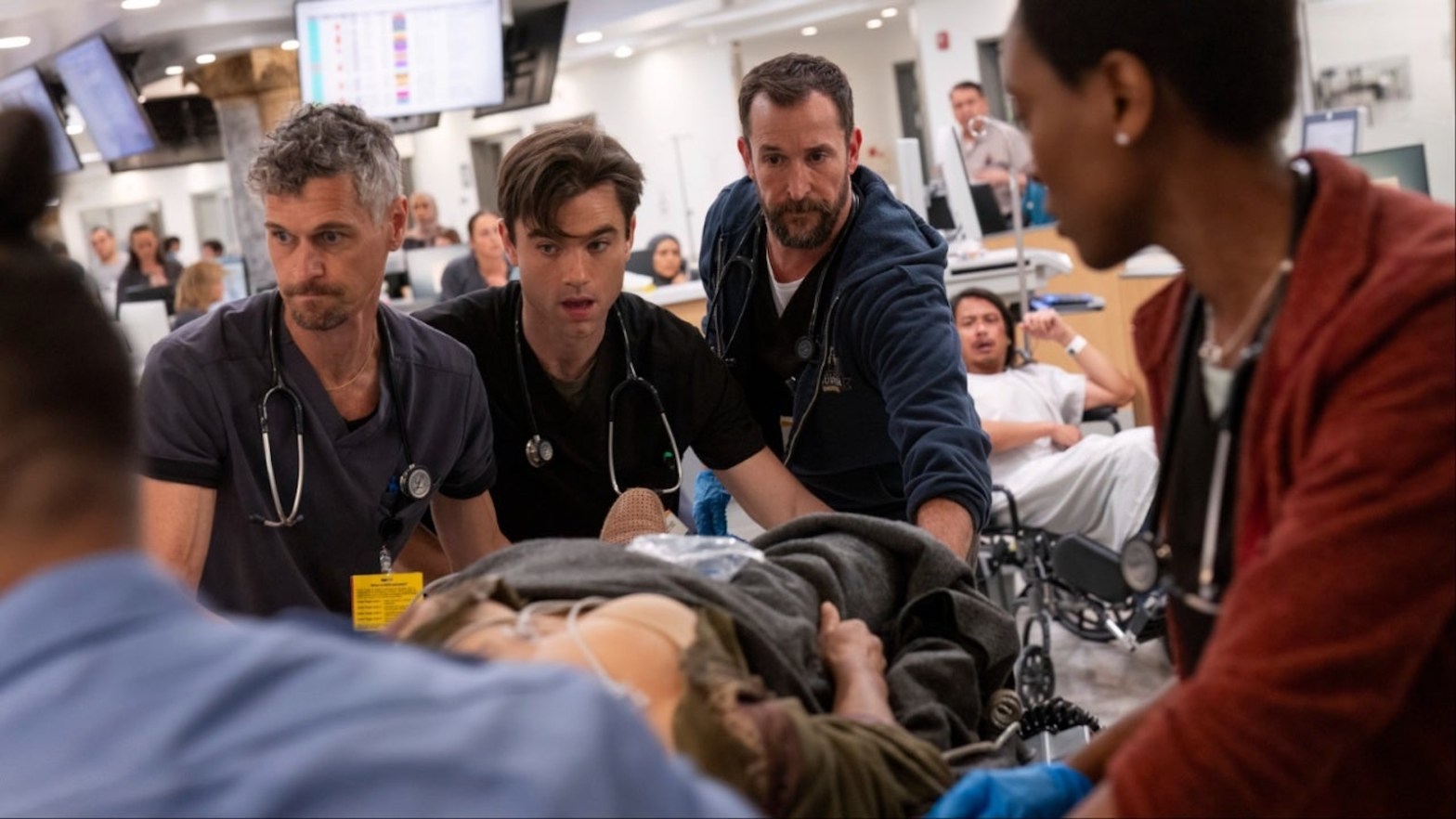
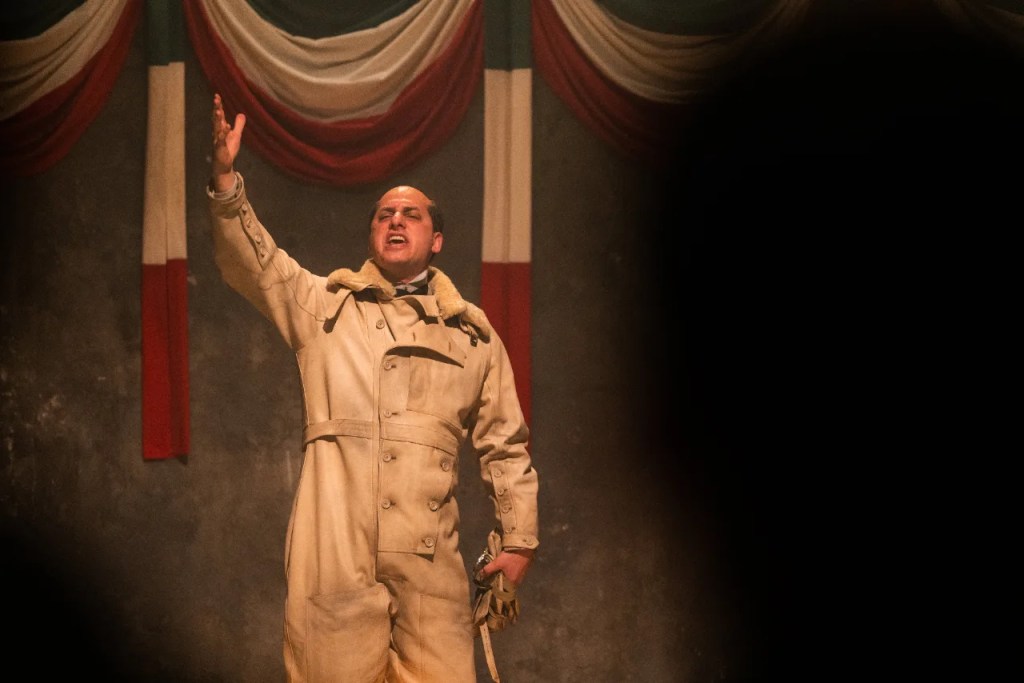
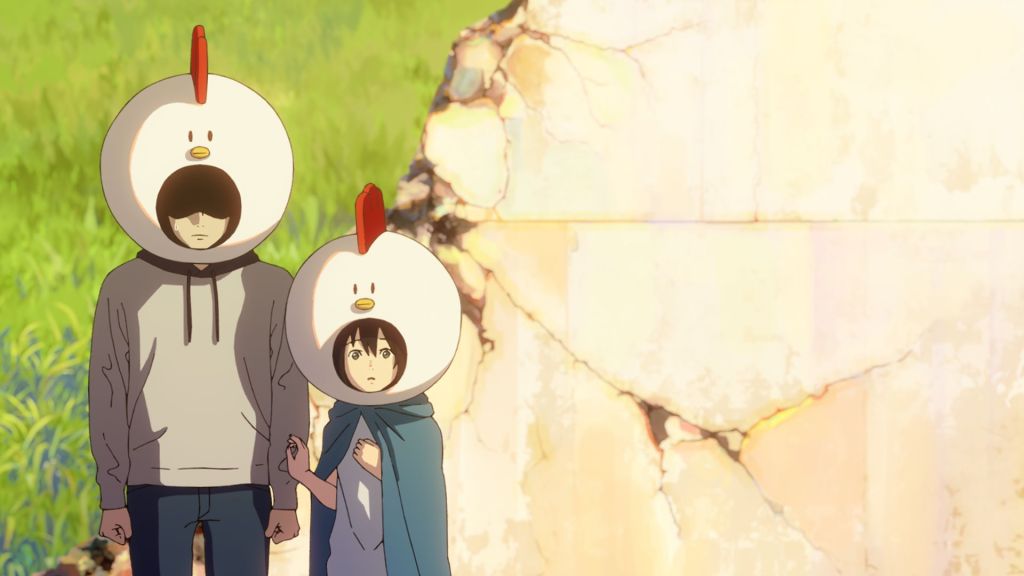

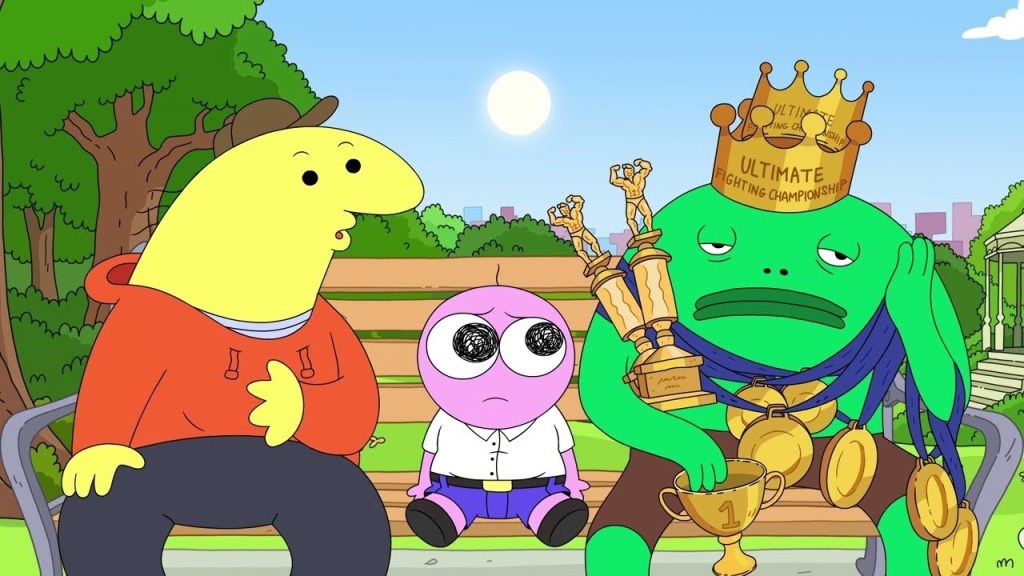
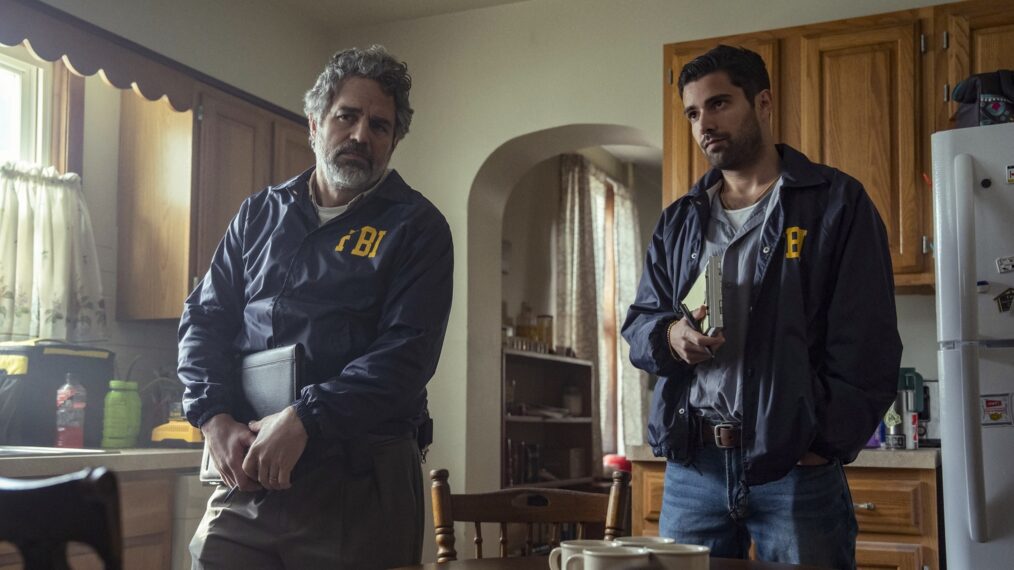
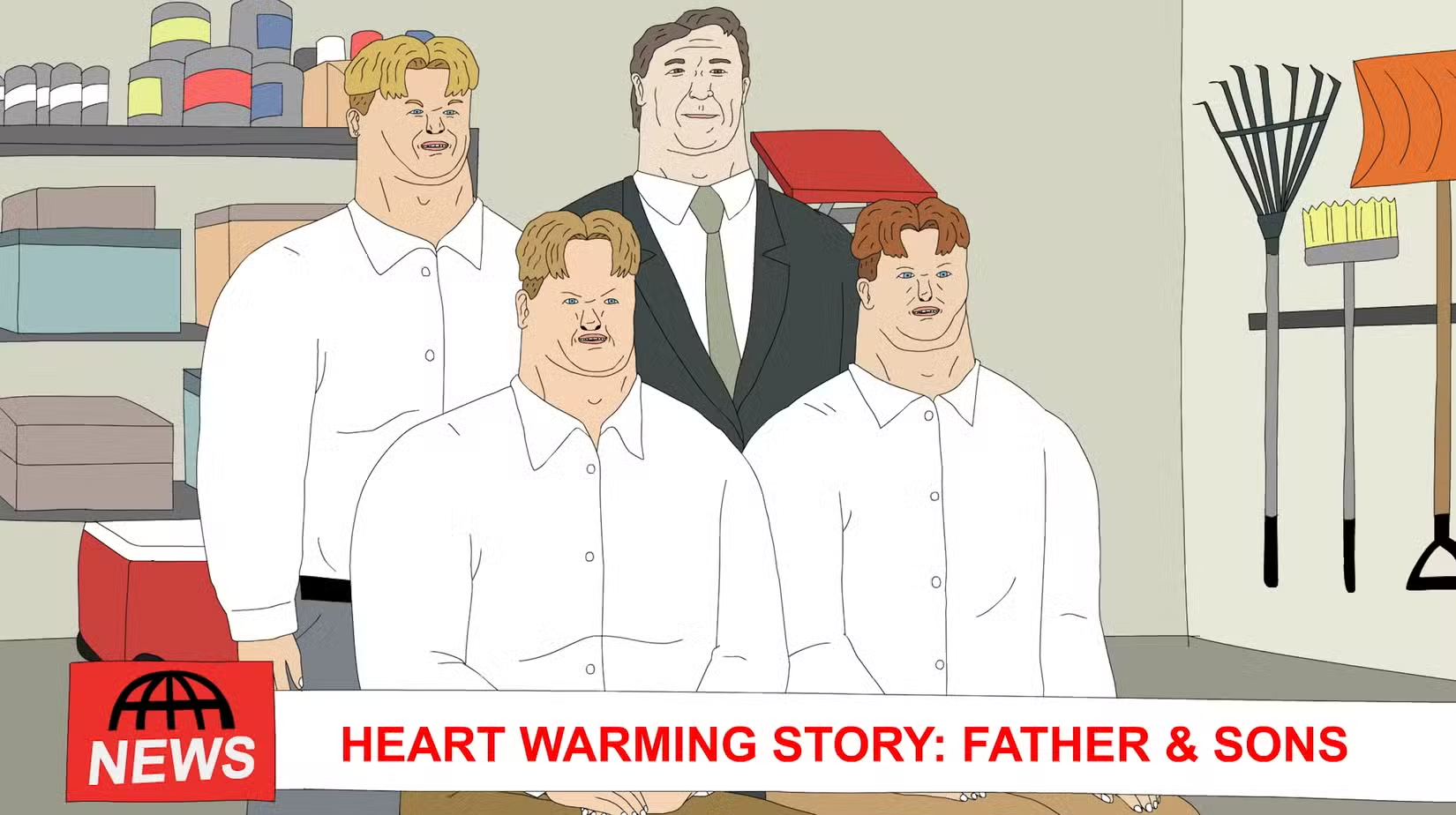
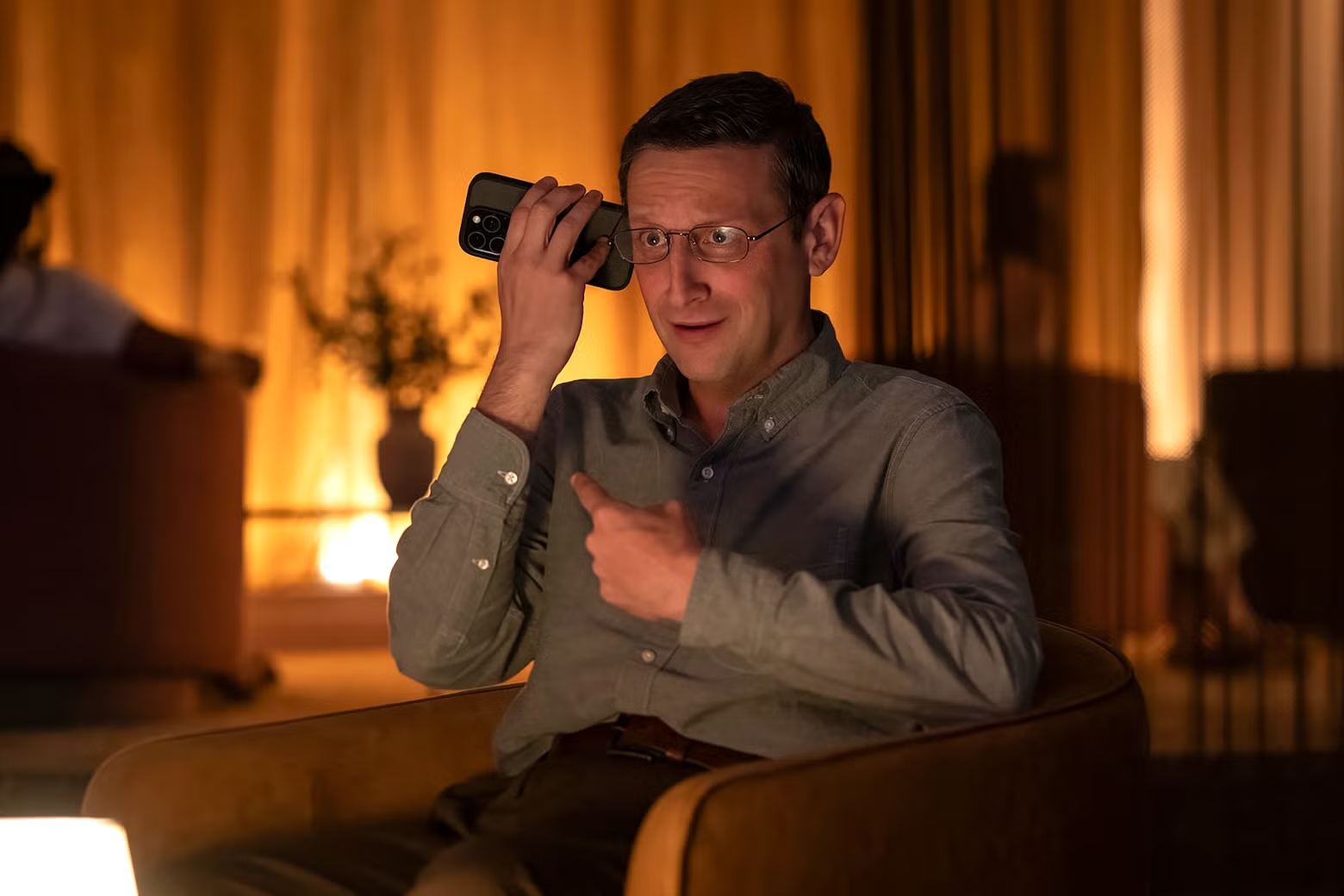
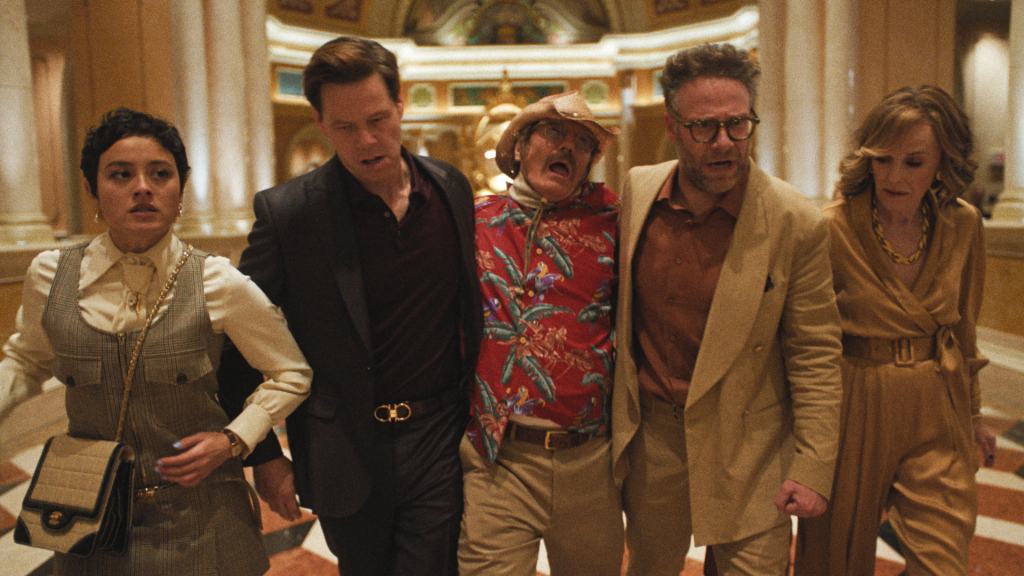
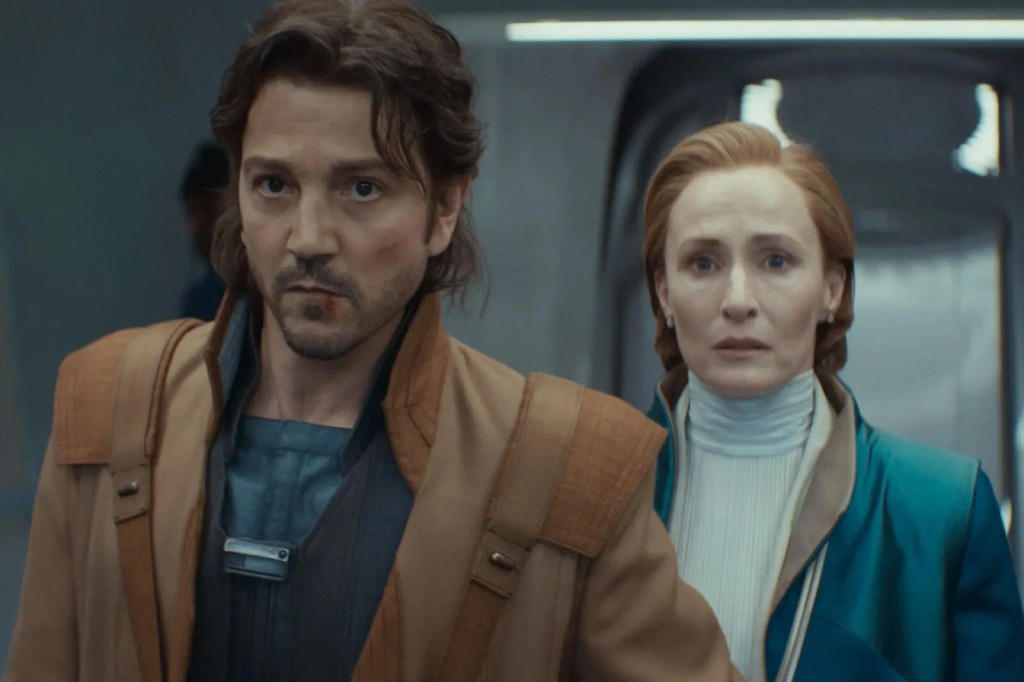

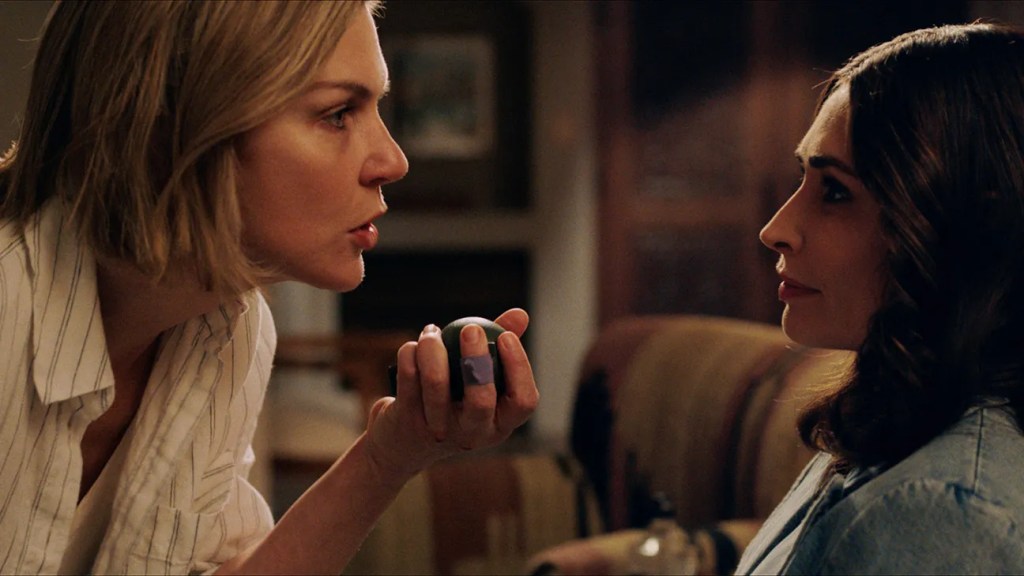
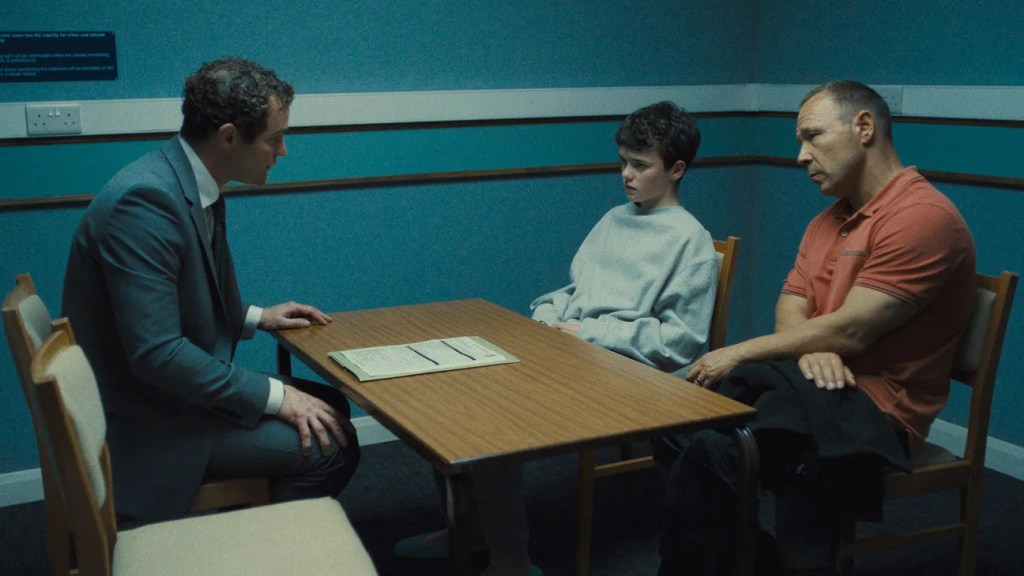
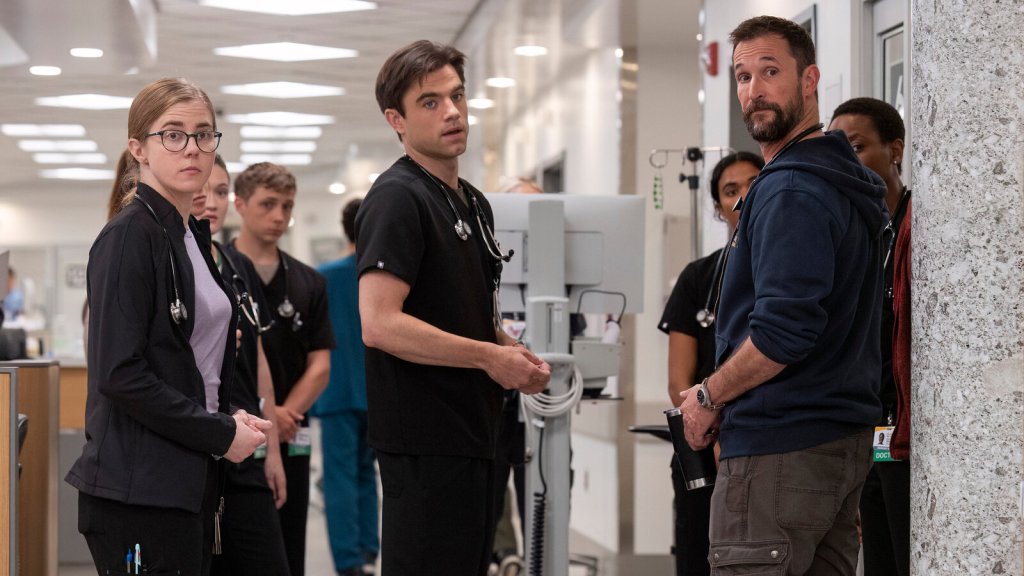
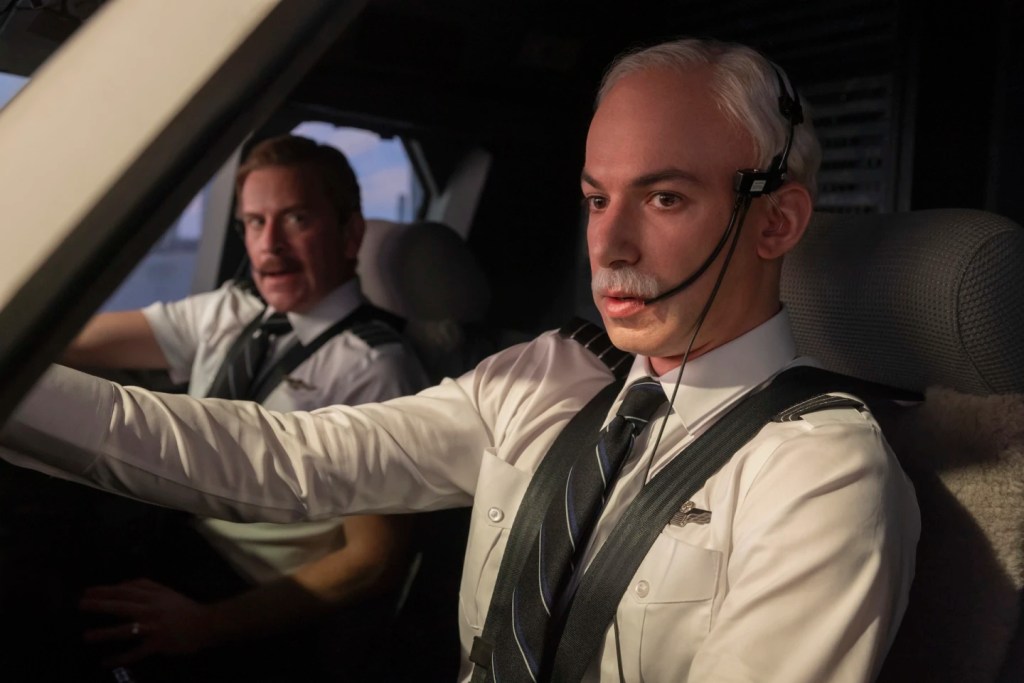
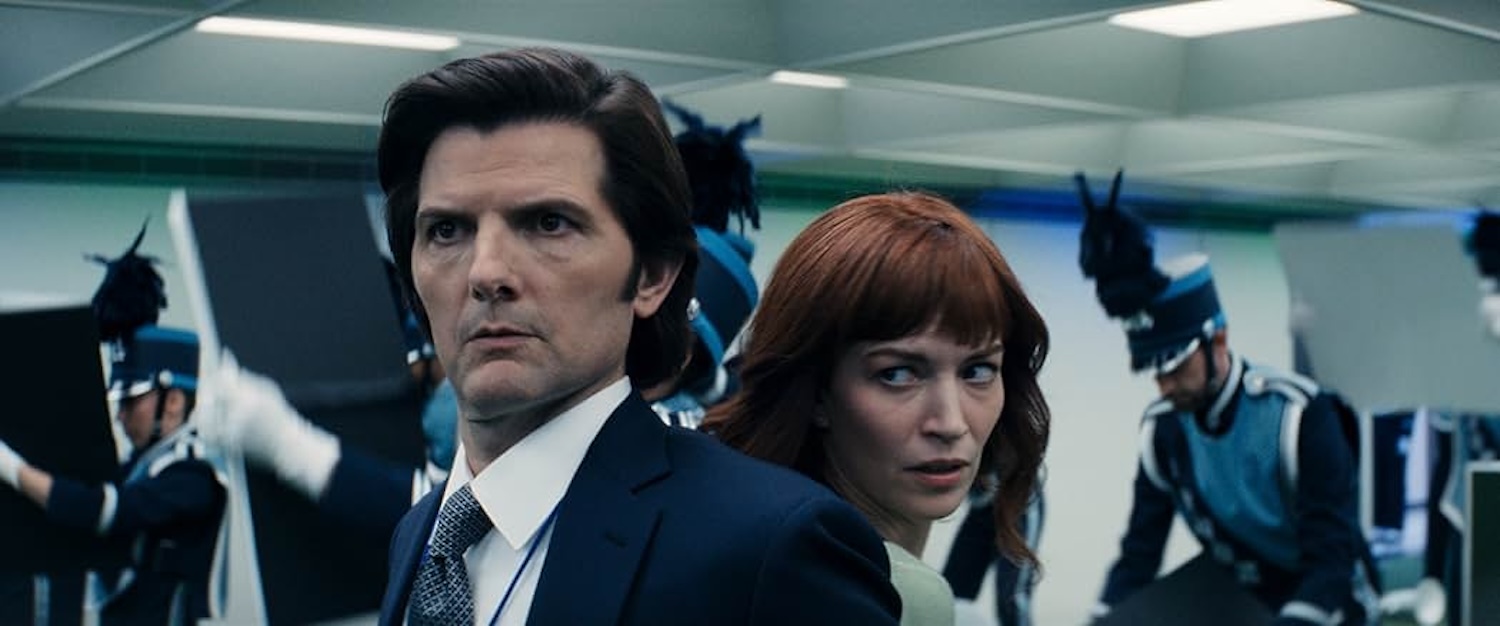
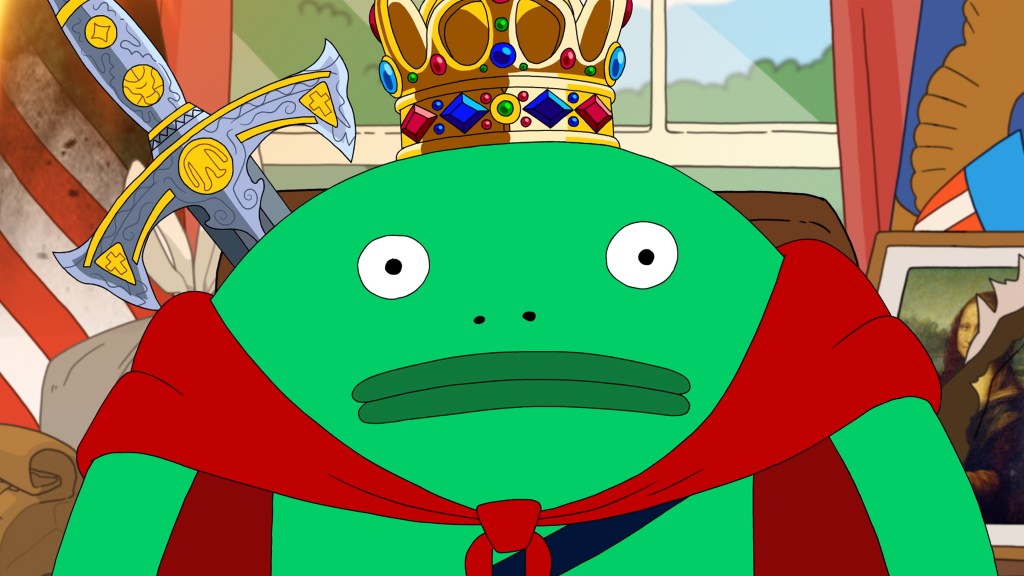

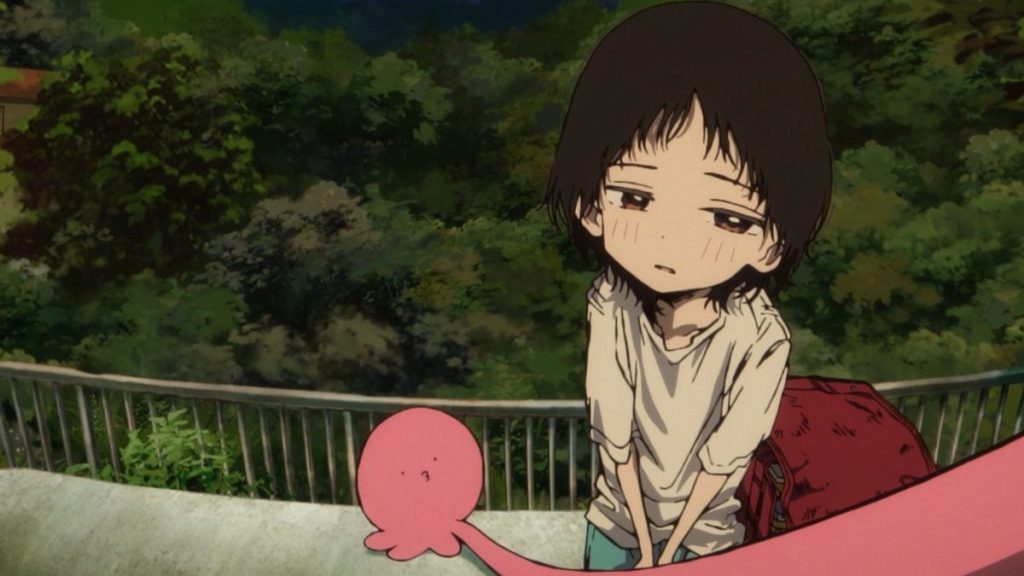

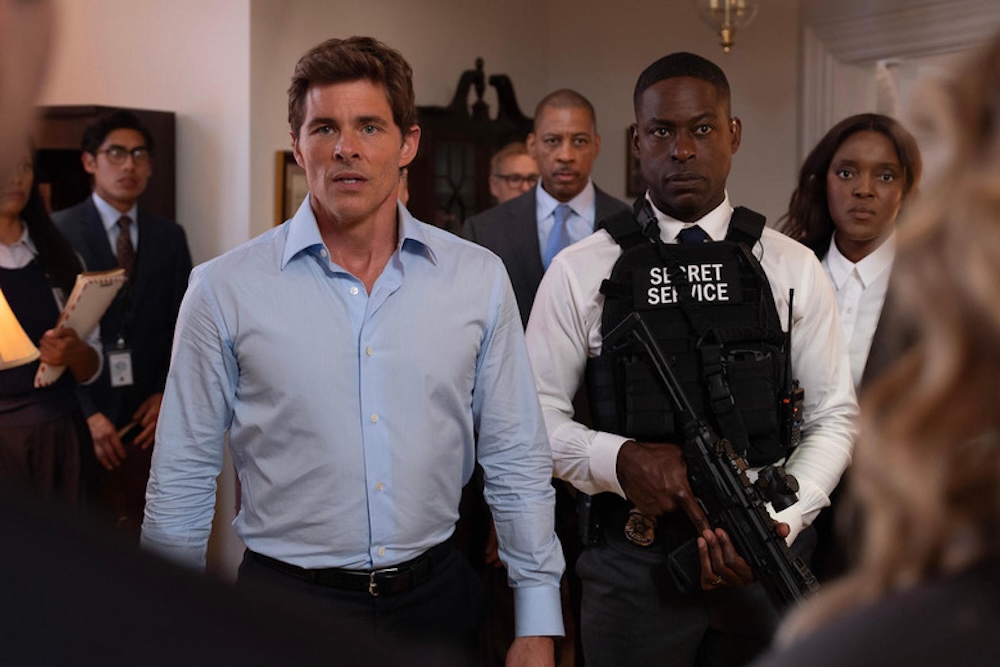
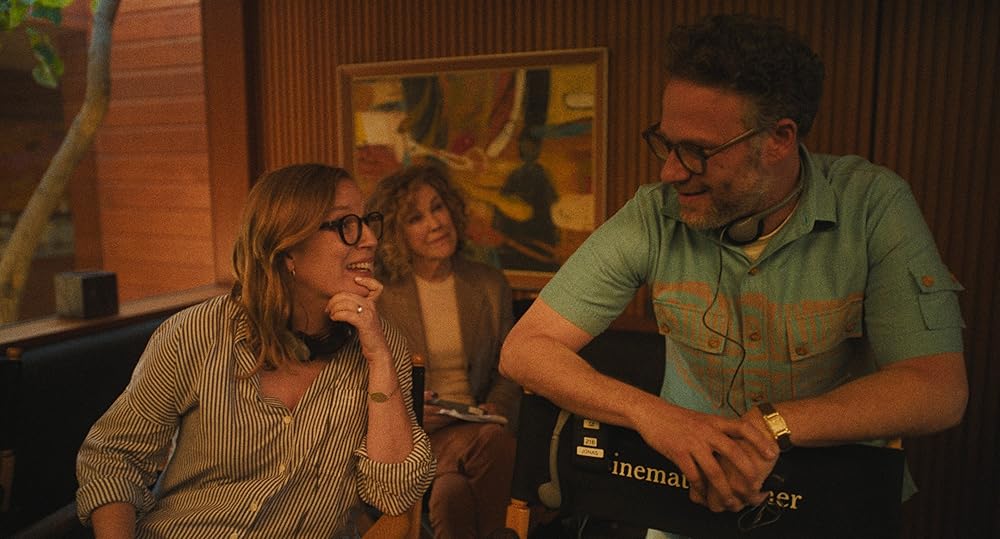

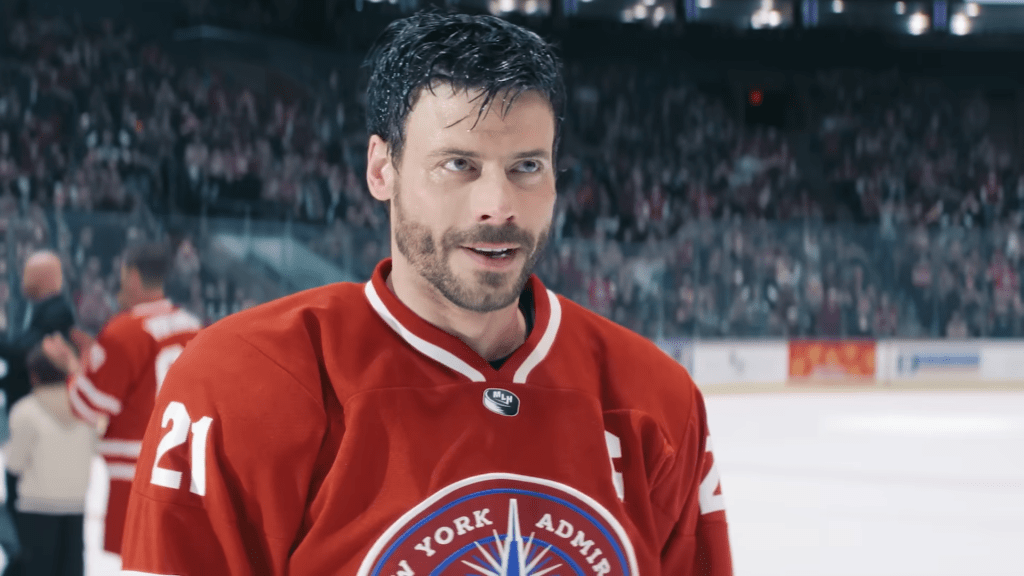
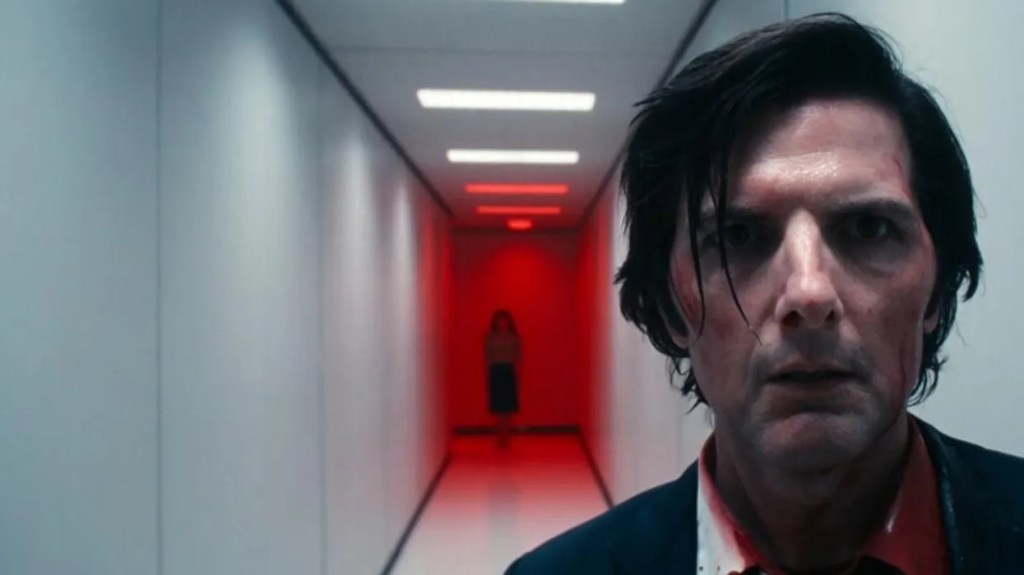
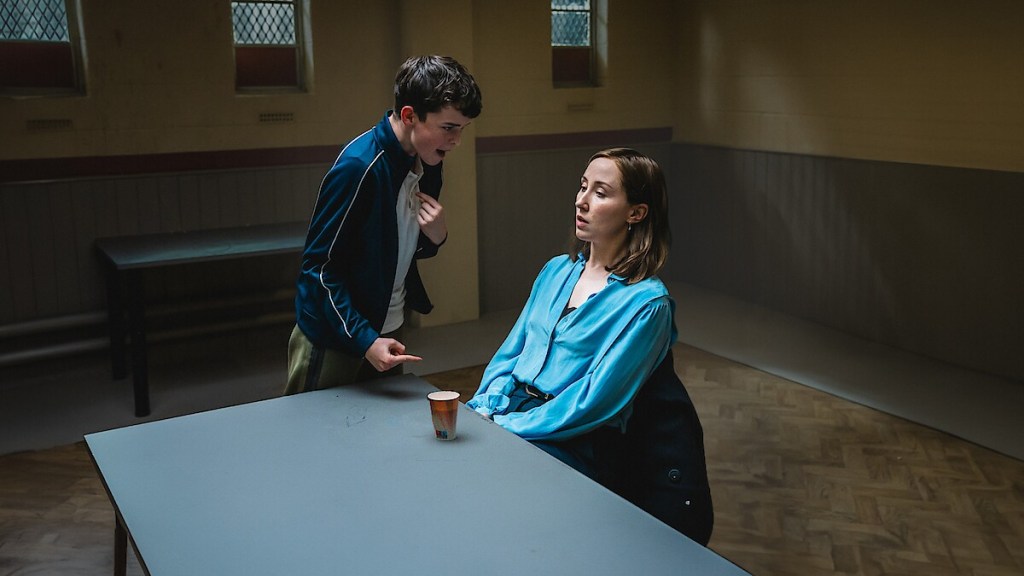
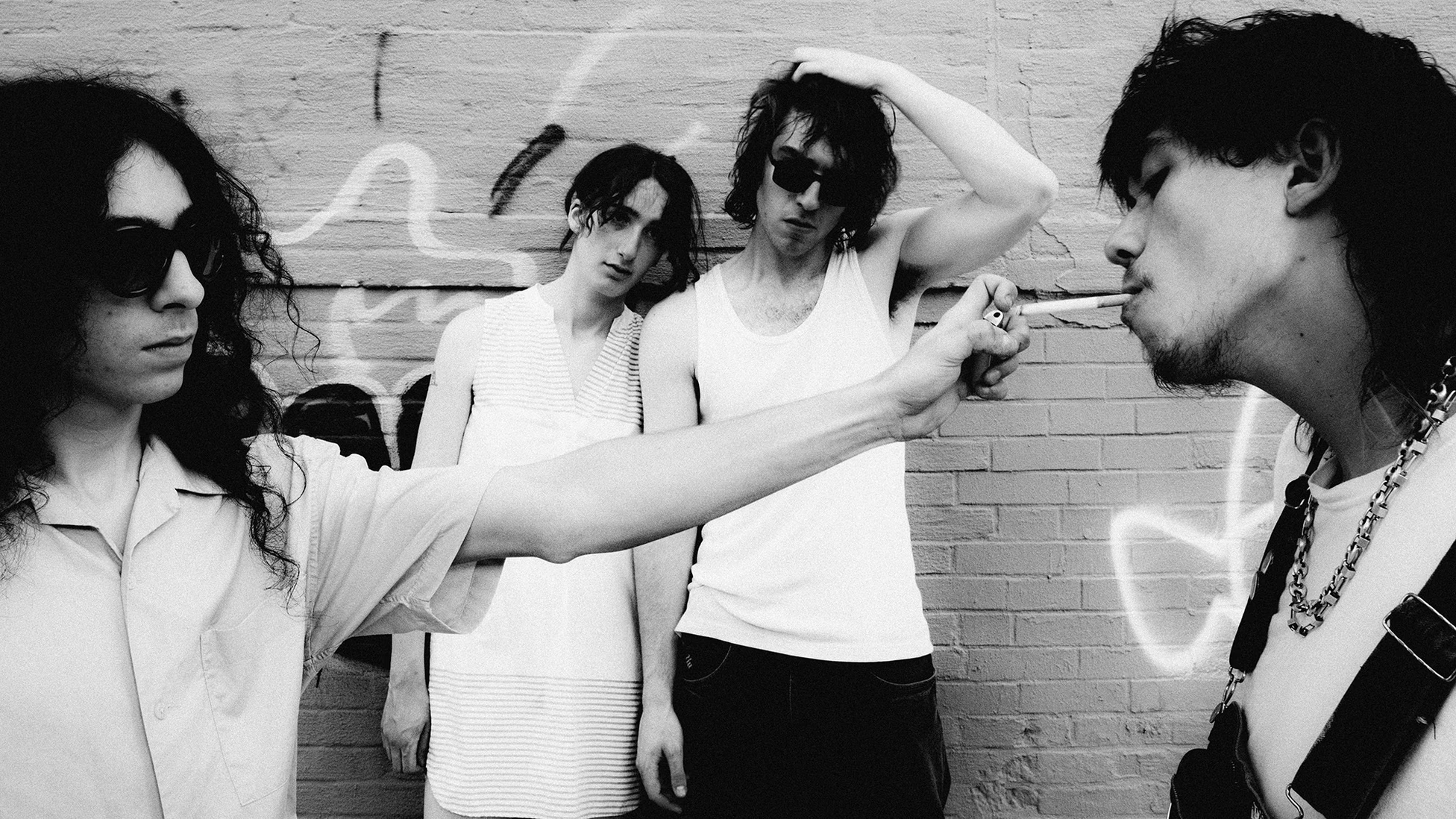




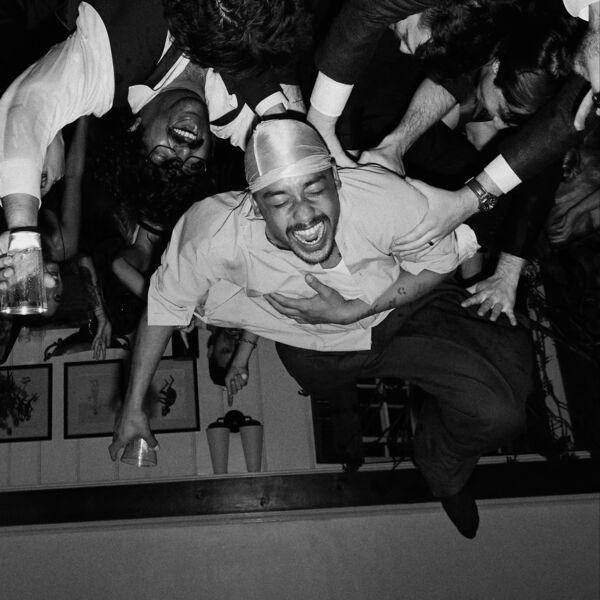

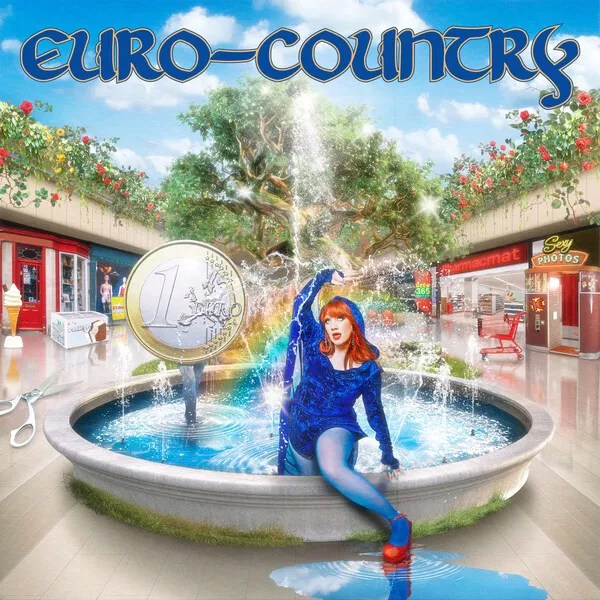
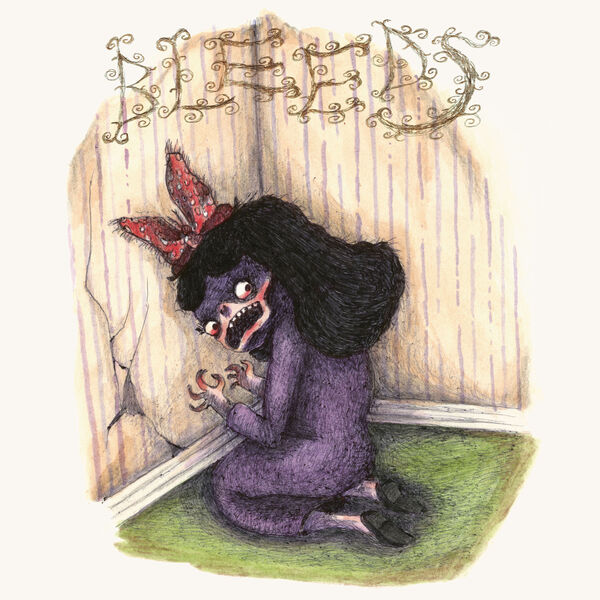

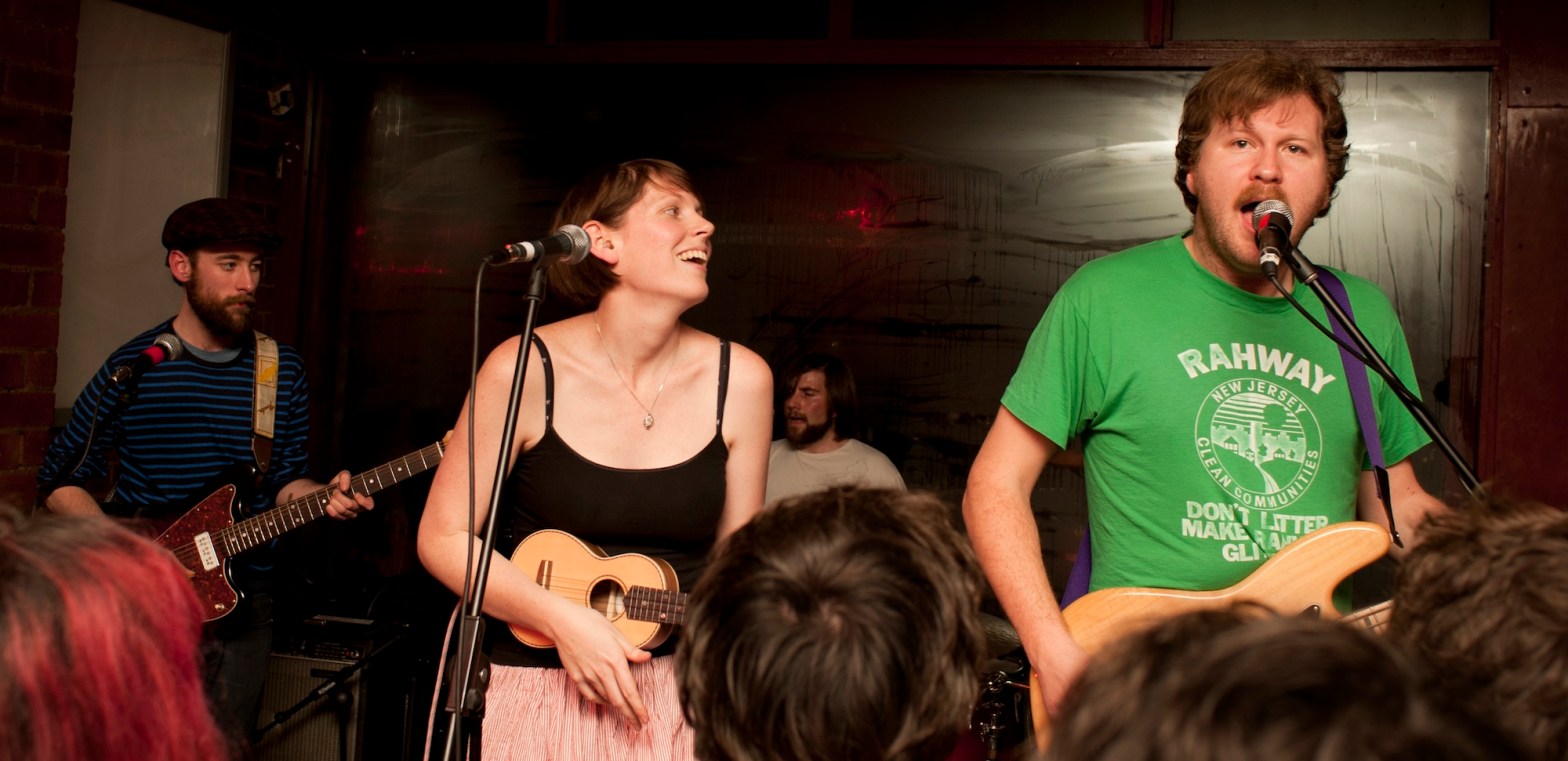
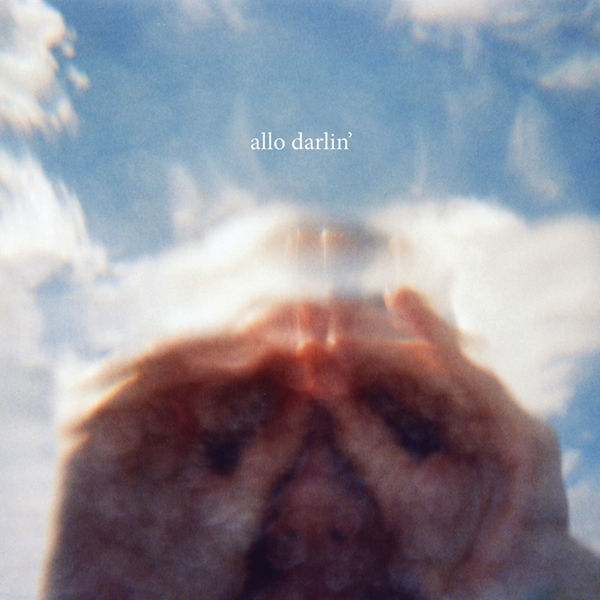
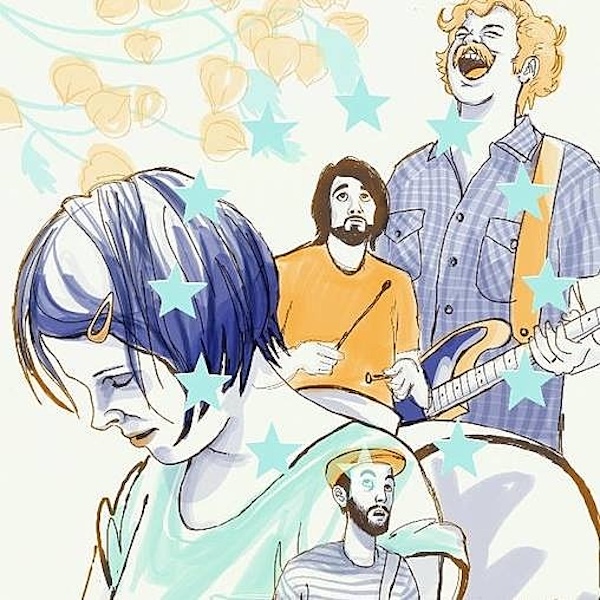




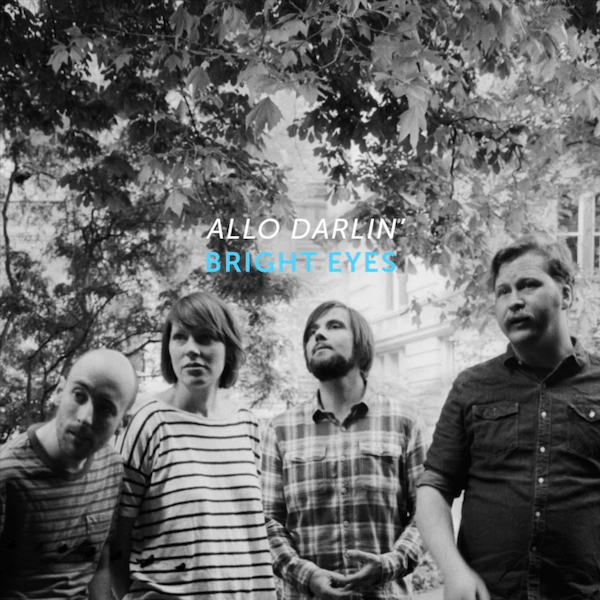


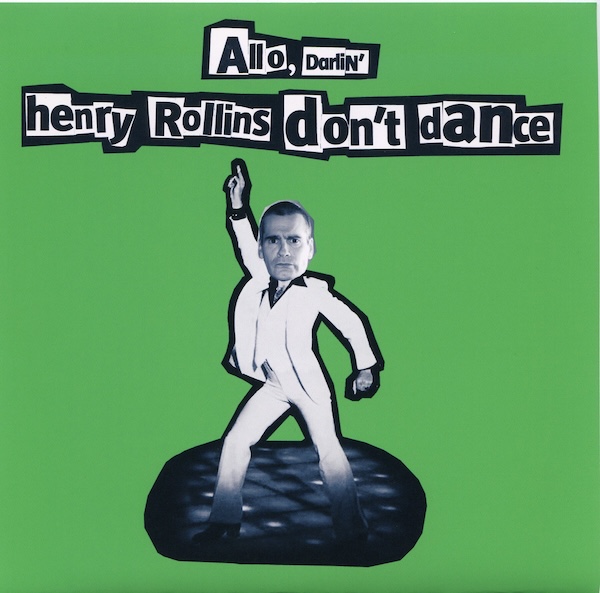



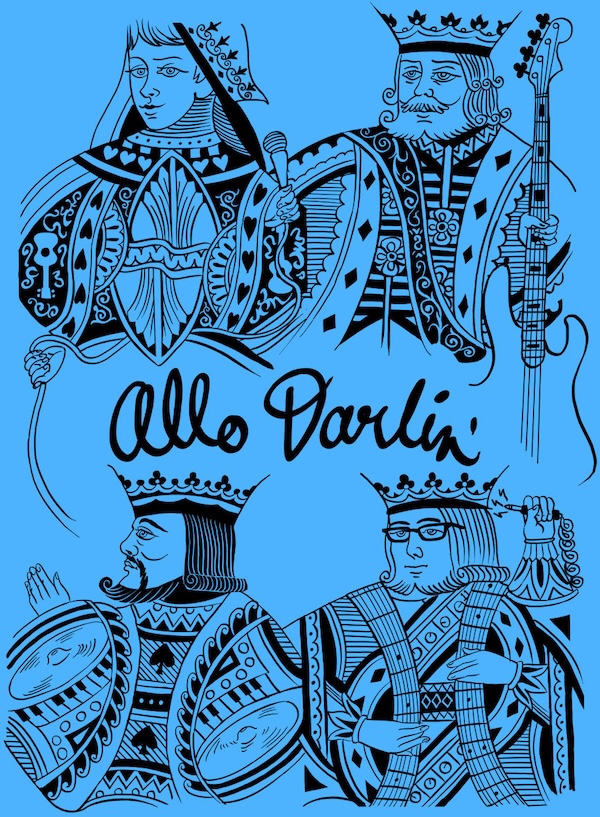


 Joey Daniewicz